Archer Cleared a Key Antitrust Gate on Boeing’s Autonomy Bundle
HSR waiting period expired Sept. 18; Archer’s deal for Wisk, Insitu, and SkyGrid still aims to close by year-end 2026: eVTOL plus drones plus airspace software under one roof.
Air-taxi companies usually buy factories, not drone primes. Archer is trying to buy a stack: piloted-then-autonomous eVTOL IP, military UAS, and airspace intelligence, with Boeing staying in as a shareholder.
So basically: on Sept. 24, 2026, Archer Aviation said the Hart-Scott-Rodino waiting period for its acquisition of Boeing’s Wisk Aero, Insitu, and SkyGrid expired at 11:59 p.m. EDT on Sept. 18. That clears a major U.S. antitrust condition. Closing is still targeted by year-end 2026, pending other regulatory approvals.
What Archer is actually buying
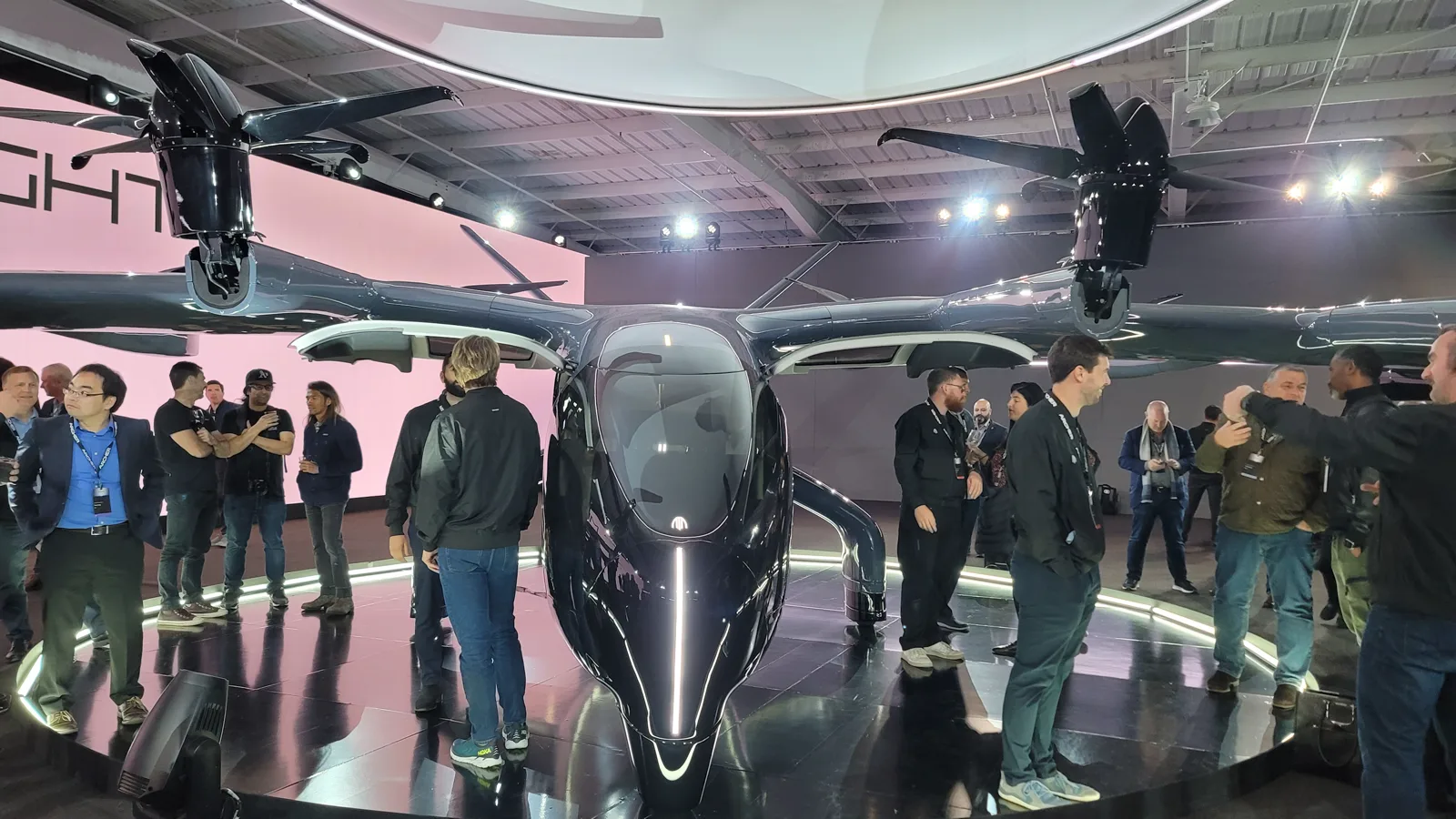
Wisk is Boeing’s autonomous eVTOL bet: the long-running autonomy and air-taxi program that sat beside Archer’s crewed Midnight path. Insitu is an established unmanned aircraft systems business (ScanEagle-class heritage) with defense customers. SkyGrid works airspace management and UAS traffic intelligence. Archer’s release frames the combination as an “end-to-end physical AI platform” for aerospace and defense, tied to its ZEE foundation model.
In other words: not only certify Midnight for passenger routes. Own autonomy IP, a defense drone P&L, and software that sits above the vehicles.
The Boeing side of the trade
Deal coverage and SEC-linked summaries put Boeing’s consideration at Archer Class A shares equal to 19.75% of pre-closing outstanding shares, plus two $100 million warrants (strike prices reported around $13.00 and $17.88). Boeing also gets collaboration and governance hooks. Structurally, Boeing is simplifying its advanced-air-mobility subsidiaries while retaining economic upside and a partner channel into Archer’s AI-and-aircraft roadmap.
Archer still has to integrate three cultures, three product lines, and whatever remaining foreign-investment or defense industrial-base reviews apply. HSR expiration is necessary, not sufficient. The company’s own forward-looking statement list is long: other approvals, termination risk, integration cost, and litigation.
Progress and limits
Progress: a concrete regulatory clock event this month, a defined YE2026 close target, and a rare attempt to fuse civil eVTOL, defense UAS, and airspace software under one public eVTOL OEM instead of leaving autonomy as a slide. Limits: Midnight certification is still the passenger-market bottleneck; Insitu’s defense cadence will dominate near-term revenue reality if the deal closes; and “physical AI platform” language does not ship aircraft. Year-end closes slip.
Watch the remaining approval checklist, whether Boeing’s stake and warrants land as filed, and how Archer talks about Wisk’s autonomous aircraft versus Midnight’s piloted entry into service. The upcoming story is consolidation: the air-taxi sector is starting to look less like a dozen parallel demos and more like a few companies trying to own the whole stack before passenger service pays the bills.
So basically — pass it on.