China Is Slowing Humanoid Robot IPOs as Regulators Question the Hype
Reuters reports that Chinese regulators are informally slowing some humanoid robot listings while examining valuations, government-backed revenue, and evidence of recurring commercial demand.
Chinese regulators are slowing some humanoid robot companies’ plans to go public as they examine whether high valuations and government-backed revenue are supported by lasting commercial demand, Reuters reported on Sept. 21, 2026.
The action has reportedly taken the form of informal “window guidance,” not a published ban. The China Securities Regulatory Commission did not respond to Reuters’ request for comment.
So basically: China is still treating humanoid robotics as a strategic industry, but companies seeking public listings face more questions about who is buying their robots, how often customers reorder, and whether the machines are doing sustained factory work.
Unitree’s volatile debut drew attention
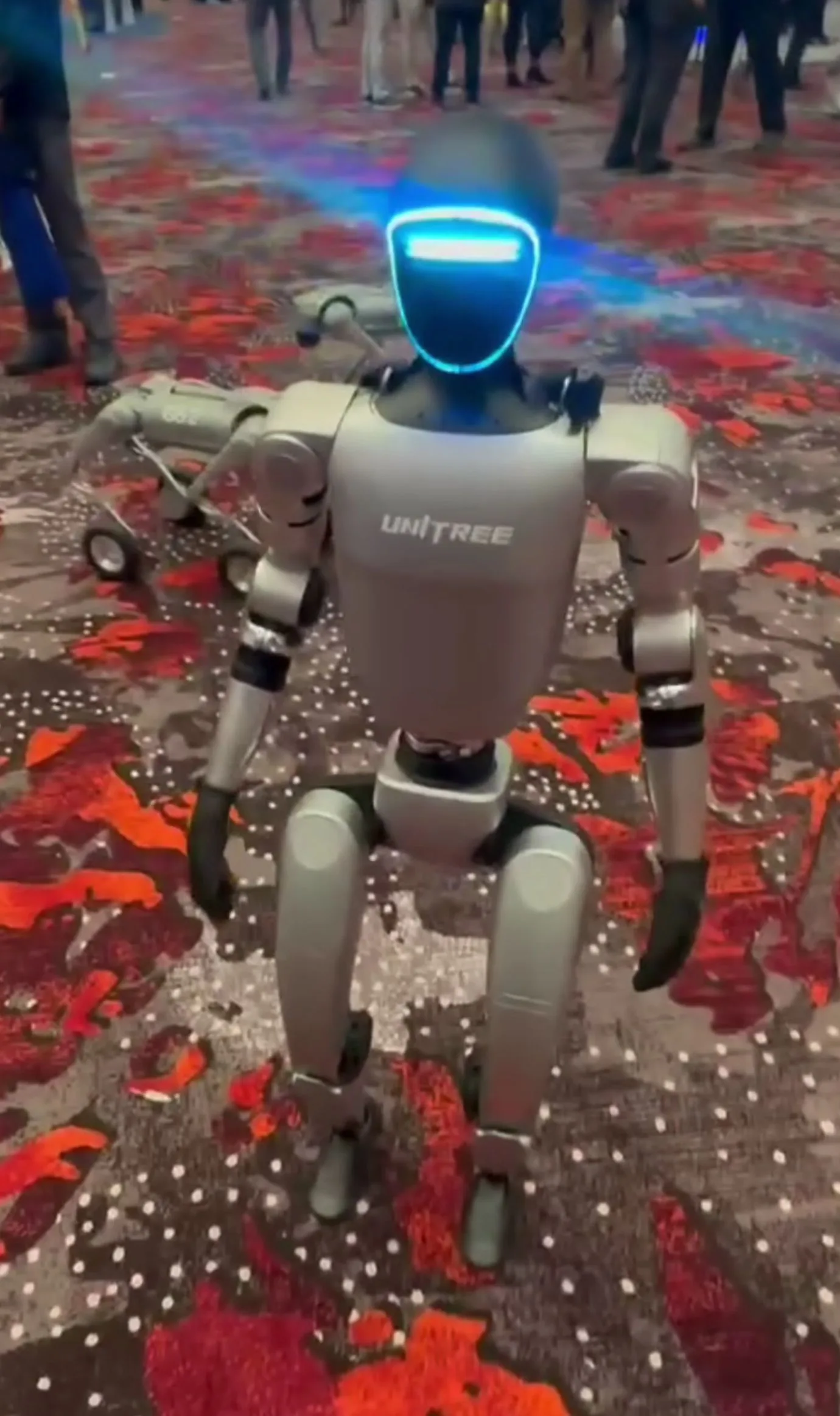
People familiar with the matter told Reuters that the slowdown was mainly triggered by the public-market performance of Unitree Robotics. Its shares rose more than fivefold on their Shanghai debut, then fell 55% from their peak.
One source described humanoid IPOs as effectively frozen for now. Another said there was no formal ban and characterized the action as a sector-specific slowdown. Without a public statement from the CSRC, the scope and duration remain unclear.
At least six Chinese humanoid robotics firms were preparing to go public, according to Reuters. The group included Deep Robotics, X Square Robot, and AGIBOT. Those three companies did not respond to questions from Reuters about whether regulators had slowed their plans.
The Information had previously reported that the CSRC informally told some banks and investment firms it was raising the approval threshold for humanoid robot IPOs. Reuters’ report adds detail about what regulators and investors are examining.
Revenue quality is the central issue
China has promoted “embodied intelligence” — AI systems that can perceive and act in the physical world — as a strategic emerging industry. That policy support has attracted private capital, local-government funding, and established industrial companies.
The concern is whether some of that activity represents independent customer demand. Reuters reported that robot data-collection centers and joint ventures backed heavily by local governments have produced significant revenue for some companies. In certain ventures, local governments could provide 80% to 90% of the initial investment, according to a person close to humanoid robot investors.
Those arrangements can support orders and help companies meet listing thresholds. Regulators are reportedly asking whether the revenue will continue without government support and whether customers outside related projects will place recurring orders.
The same source estimated that valuations at some robot companies could fall 60% to 70% if revenue associated with data-collection centers were removed. That figure is an anonymous estimate reported by Reuters, not an audited adjustment.
Scrutiny also extends to deployment. Investors and regulators want evidence of order volumes, repeated use, and robots performing useful work in factories rather than only appearing in demonstrations.
Robot production plans are still moving forward
The reported IPO slowdown does not mean China has stopped backing humanoid robot development. Companies continue to invest in manufacturing and deployment.
On Sept. 8, XPeng announced that it had commissioned a production line for its IRON humanoid and produced a robot that walked off the line. The company said more than 80% of core processes on the line are automated and that it plans to begin mass production by the end of 2026, followed by a broader market launch in 2027.
XPeng also said its robotics business raised more than $900 million in August at a post-money valuation above $6.3 billion. Those figures and production targets are company claims. They show that capital and factory investment are continuing, but they do not establish independent demand or prove that other humanoid companies are ready for public listings.
The distinction is important: support for robotics as an industry can continue while regulators apply more scrutiny to individual IPO candidates.
What comes next
The clearest evidence of the reported slowdown will be found in companies’ filings and listing schedules. Delayed applications, withdrawn prospectuses, or a CSRC statement would show how broadly the guidance is being applied.
For the companies themselves, the standard is becoming more concrete. Regulators and investors are looking beyond prototype performance toward recurring orders, independent customers, reliable factory deployment, and revenue that does not depend mainly on government-backed projects.
For now, Reuters has reported an informal slowdown based on people familiar with the matter. The CSRC has not confirmed a formal policy, and no formal ban has been announced.
So basically — pass it on.