FDA Approves the First Immunotherapy to Help Stop Colon Cancer From Coming Back
On Oct. 8, the FDA approved Genentech's Tecentriq with chemo after surgery for stage III mismatch repair deficient colon cancer. In the ATOMIC trial, adding it cut the risk of the cancer returning or death by half, with more serious side effects.
So basically: The FDA just approved an immunotherapy drug for people who have had surgery for a certain kind of stage III colon cancer. Added to standard chemo, it cut the chance of the cancer coming back or the patient dying by about half in a big trial. It is the first immunotherapy approved for this early, after surgery setting in colon cancer.
The drug
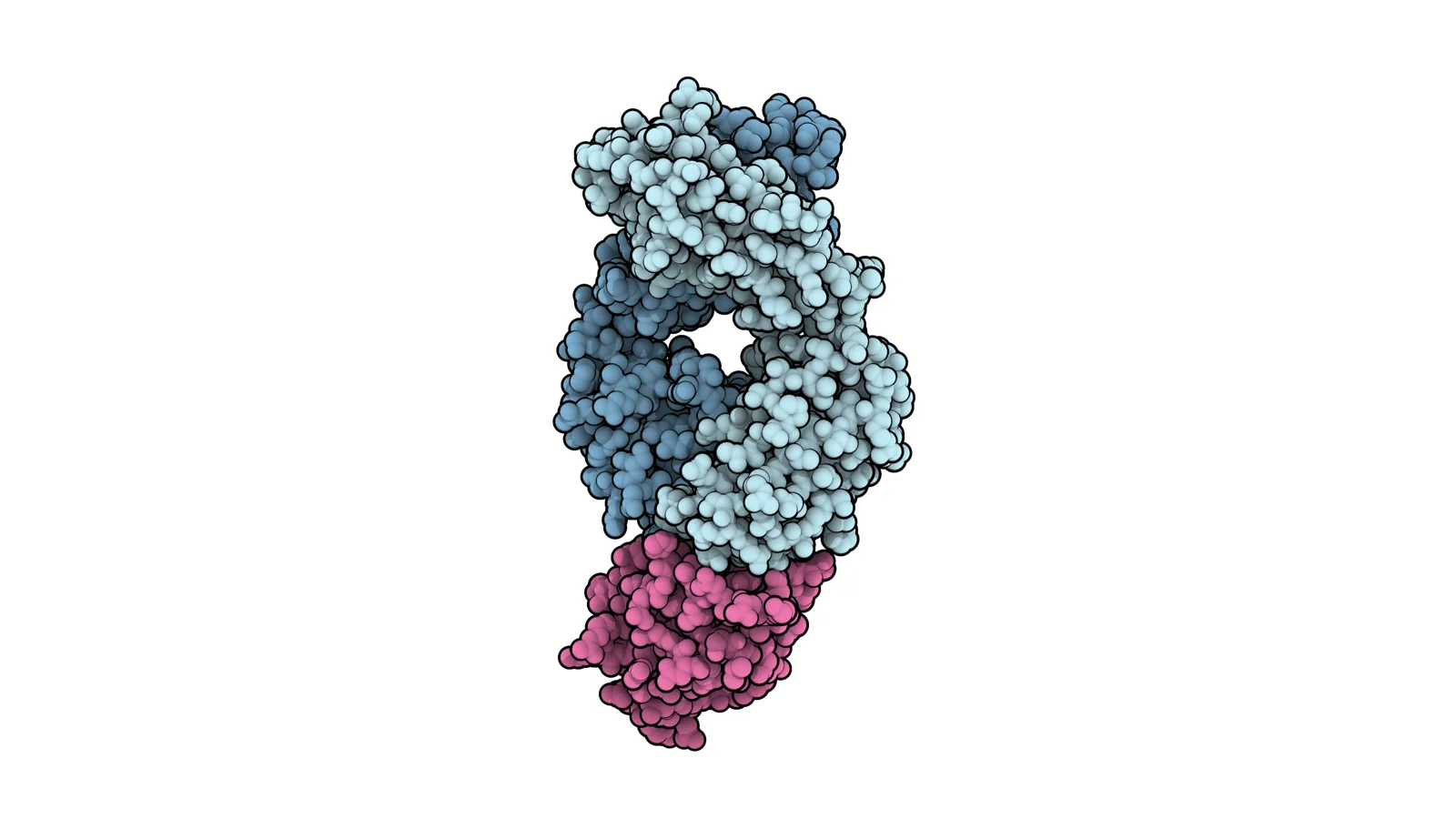
The drug is atezolizumab, sold as Tecentriq by Genentech, part of Roche.
It is an immunotherapy. Some tumors use a protein called PD-L1 to hide from the immune system. Atezolizumab blocks PD-L1, so immune cells can see the cancer and attack it.
It is already approved for several other cancers. This approval is new for colon cancer.
Who it is for
Not every colon cancer patient. This is for one specific group.
- Stage III colon cancer, meaning it has spread to nearby lymph nodes but not to distant organs
- The tumor has already been removed with surgery
- The tumor is “mismatch repair deficient,” or dMMR
dMMR tumors have a broken DNA repair system, so they pile up mutations. That makes them look very strange to the immune system, which is why immunotherapy tends to work well on them. About 15% of colon cancers are dMMR.
The approval covers patients 2 and older for the IV version. A version injected under the skin, called Tecentriq Hybreza, is approved for patients 12 and older who weigh at least 40 kg.
The problem it solves
Today, the standard plan for stage III colon cancer is surgery, then chemo like FOLFOX to wipe out any cells left behind.
That works for a lot of people. But about 30% of stage III patients still see the cancer come back within five years.
Until now, immunotherapy for dMMR colorectal cancer was only approved once the cancer had spread or could not be removed. This moves it earlier, when the goal is a cure.
The trial
The approval is based on a phase 3 trial called ATOMIC. It was run by the Alliance for Clinical Trials in Oncology, and the results were published in the New England Journal of Medicine.
- 712 patients with surgically removed stage III dMMR colon cancer
- Half got FOLFOX chemo alone
- Half got FOLFOX plus atezolizumab, then atezolizumab alone for several more months
The results:
- Risk of the cancer coming back or death: cut by 50%
- Cancer free at 3 years: 86.3% with the combo vs. 76.2% with chemo alone
Overall survival data is still early. At this point, deaths were similar in both groups: 31 with the combo and 33 with chemo alone.
The side effects
This is not free.
Serious side effects, grade 3 or 4, hit 84.1% of patients on the combo vs. 71.9% on chemo alone. The most common were low white blood cell counts, nerve damage, diarrhea, and fatigue.
Two deaths in the combo group were judged to be related to treatment.
Like other immunotherapies, it can also cause the immune system to attack healthy organs.
How it is given
Patients get atezolizumab with chemo for 6 months, then atezolizumab alone for another 6 months. Treatment stops early if the cancer returns or the side effects get too bad.
My take
Cutting the risk of relapse in half is a big number. For someone who just had colon cancer surgery, that is a real difference in odds.
But I want to see the survival data mature. Keeping cancer away longer is great. Proving people live longer is the gold standard, and that answer is not in yet.
The bigger lesson is testing. This only helps people whose tumors are dMMR. If you or someone you know is facing colon cancer, it is worth asking whether the tumor was tested.
So basically — pass it on.