The First New Train Tunnel Under the Hudson in 116 Years Is Now Being Dug
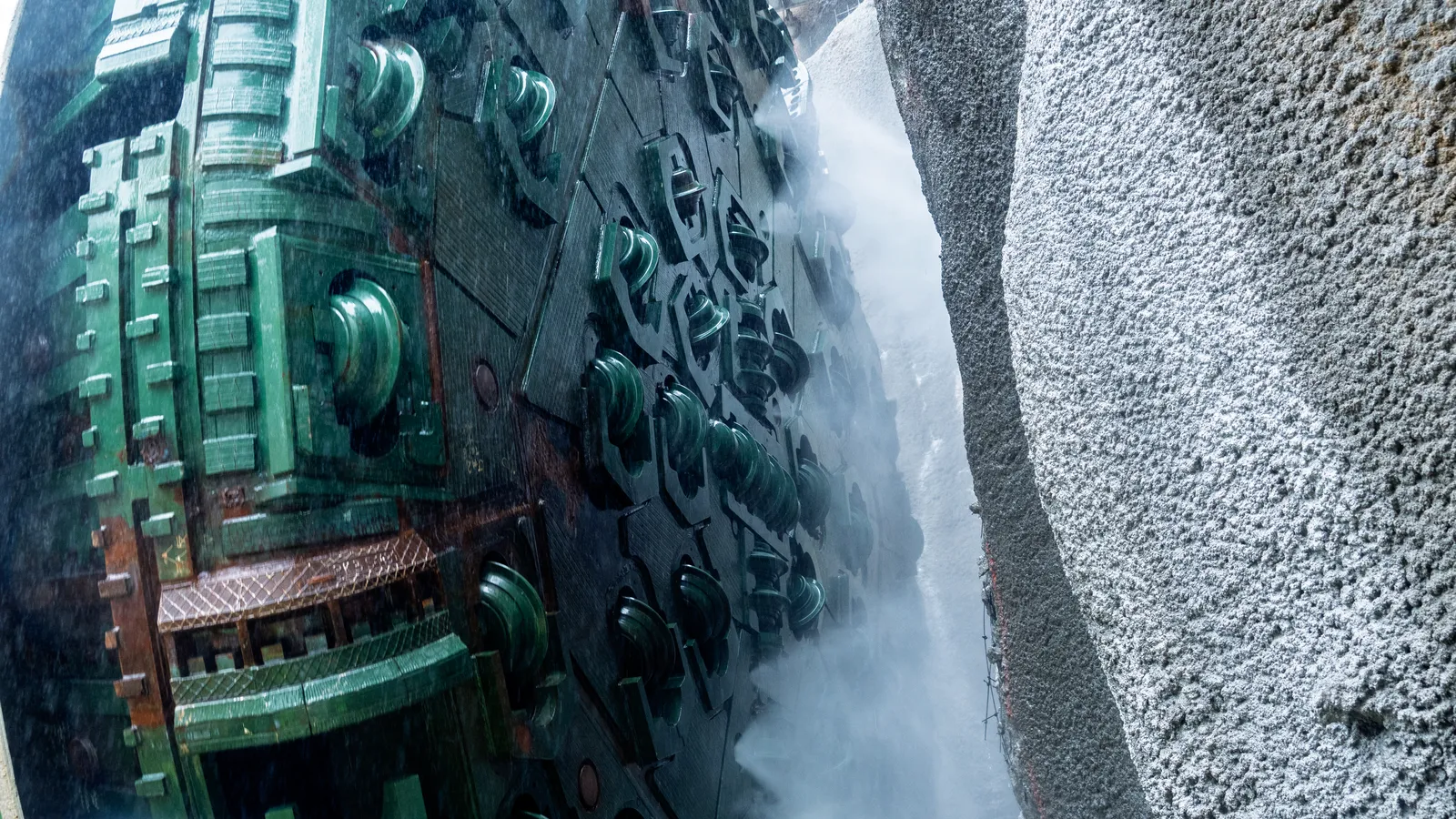
The Gateway Development Commission says the first tunnel boring machine for the $16 billion Hudson Tunnel Project has started mining in North Bergen, N.J., on schedule. A second machine follows in the coming weeks, and the pair should reach the Weehawken and Hoboken shaft in about a year.
So basically: A giant drill just started chewing through the rock under New Jersey to build a new train tunnel to New York. It is the first new rail tunnel under the Hudson River since 1910. The second machine starts in the coming weeks.
Why this tunnel matters so much
Every Amtrak and NJ Transit train between New Jersey and Manhattan squeezes through one old tunnel. It has two tubes, one each way. It opened in 1910.
That tunnel carries more than 200,000 passengers a day on over 450 trains, according to Webuild, one of the builders.
It is also in rough shape. Hurricane Sandy flooded it with salt water in 2012, and that damage keeps eating at it. When something breaks in there, delays ripple up and down the whole Northeast Corridor.
The fix is the Hudson Tunnel Project. It is a $16 billion plan to build a brand new two tube tunnel, then close the old one, one tube at a time, for repairs.
What just happened
The Gateway Development Commission, the agency running the project, says the first tunnel boring machine has started mining on schedule.
The official ceremony was on Sept. 28. After final testing, the cutterhead actually bit into the rock. Railway Age confirmed in an Oct. 8 update that digging was under way.
GDC chief executive Tom Prendergast called it “the most significant Hudson Tunnel Project delivery milestone to date.”
Meet the machines
These are not small drills.
- The cutterhead is 28 feet, 8 inches across
- Each machine weighs more than 1,680 tons
- The trailing equipment behind each one stretches about 500 feet
- They are built for hard, dry rock
They also build the tunnel as they go. The spinning cutterhead uses disc cutters to break the rock into chunks. A conveyor carries the rock out the back. Then an arm sets precast concrete segments in a ring to form the tunnel wall. Hydraulic jacks push against that new ring to shove the machine forward.
Where they are digging
The first stretch is on the New Jersey side, through the Palisades, the cliffs along the river.
- The machines start at a portal in North Bergen
- They will dig about 5,100 feet, roughly a mile
- They end at the Hudson County Access Shaft, on the line between Weehawken and Hoboken
- Each should move about 30 feet a day, counting maintenance stops
- That should take about a year
Then comes a swap. The rock machines get pulled out of the shaft. A second pair, designed for the mixed soil and rock under the river itself, takes over for the trip to Manhattan.
Who is building it
The Palisades section is a $466 million contract. A joint venture led by Schiavone, Lane, and Dragados is building it. The Port Authority of New York and New Jersey is managing delivery alongside GDC.
The whole project is split into 10 construction packages. This is just one of them.
The quote that sums it up
GDC’s leaders put out a joint statement:
“Before our tunnel boring machine started digging, it had been nearly 120 years since the last train tunnel under the Hudson River was excavated. We are far overdue for an upgrade, and the hundreds of thousands of riders who deal with the fallout from train delays know it.”
Why it matters beyond New York
The Northeast Corridor is the busiest rail line in the country. Boston to Washington runs through this one bottleneck.
If the old tunnel failed before a new one existed, there would be no backup. Trains into Penn Station from the west would be cut way back for years.
The new tunnel is the backup. And once both are working, the line gets real room to grow.
My take
This is the kind of story I wish got more attention than it does.
Gateway has been argued over, delayed, and nearly killed more than once. Now there is an actual machine in the actual rock, moving 30 feet a day.
It will still take years before a train rolls through. The river section is the hard part, and big tunnel projects love to slip.
But “planned” and “digging” are very different words. As of this week, Gateway is digging.
So basically — pass it on.