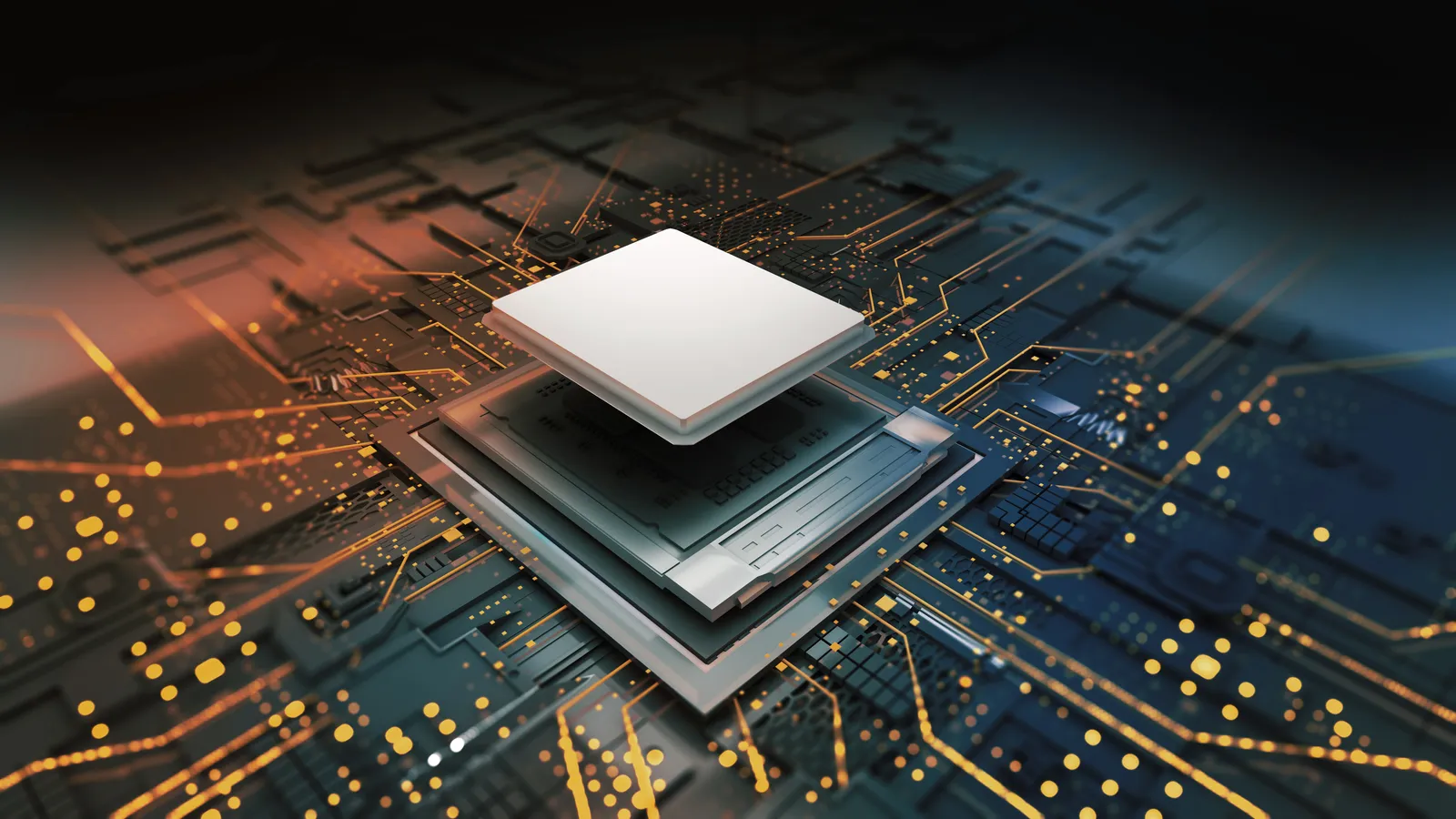
GlobalFoundries Will Make a Key AI Chip Part for TSMC in New York
On Oct. 8, GlobalFoundries announced a five-year, $2 billion deal to make silicon interposers for TSMC's CoWoS packaging at its Malta, N.Y. fab. It would be the first U.S. source of the part that links AI processors to their memory, with volume production ramping in the first half of 2028.
So basically: GlobalFoundries is going to make a hidden but crucial piece of AI chips for TSMC, at its factory in upstate New York. The part is called a silicon interposer. The deal is worth $2 billion over five years, and it would make Malta, N.Y. the first place in the U.S. to produce them.
First, what is an interposer
Modern AI chips are not really one chip. They are a little city of chips.
In the middle sits the big processor. Around it sit stacks of high bandwidth memory, or HBM. Those pieces have to talk to each other insanely fast.
The interposer is the thin slab of silicon they all sit on. It is covered in tiny wiring that connects the processor to the memory. Reuters described it simply: it sits beneath the processors and memory chips and lets them communicate at high speed.
No interposer, no high end AI chip.
What CoWoS is
TSMC’s name for this setup is CoWoS. It stands for “chip on wafer on substrate.”
It is the packaging method behind many of the most in demand AI accelerators. And it has been a real bottleneck. Reuters noted that demand for advanced packaging has outrun the capacity to make it.
So TSMC needs more interposers, from more places.
The deal
GlobalFoundries announced it on Thursday, Oct. 8.
Here is what we know:
- GF will manufacture silicon interposers for TSMC’s CoWoS ecosystem
- The work will happen at GF’s fab in Malta, New York
- GF will add new production capacity there to do it
- The agreement is worth $2 billion
- The initial term is five years
- Volume production should start ramping in the first half of 2028
- GF says it will be the first U.S. source of these interposers
The interposers will also include something called embedded deep trench capacitors. Those are tiny built in parts that help keep power to the chips steady.
Why GlobalFoundries
GF is a big chipmaker, but it does not build the most cutting edge processors. It focuses on mature, specialty chips for cars, phones, defense, and more.
Interposers are a great fit for that. They need precise silicon work, but not the newest, most expensive manufacturing step.
Ed Kaste, a senior vice president at GF, said:
“Advanced packaging is becoming increasingly critical to delivering the performance, power efficiency and scale required for next-generation AI systems.”
Why it matters for the U.S.
For years, the U.S. has pushed to make more chips at home. TSMC has been building chip fabs in Arizona.
But making the chip is only half of it. Packaging, the step where the pieces get assembled together, has mostly stayed in Asia. That means even a chip made in Arizona could still need a trip overseas to be finished.
An American source of interposers fills in one missing piece of that chain. It does not solve the whole thing, but it is a real step.
Things to keep in mind
This is a framework, not a finished factory.
- Nothing ships in volume until 2028
- GF still has to build out the capacity
- The deal can expand later if demand grows, but that is not guaranteed
Also, $2 billion over five years is meaningful for GF. But it is small next to what the biggest AI chip buyers spend in a single quarter.
My take
I like this story because it shines a light on the boring parts of AI hardware.
Everyone talks about the processor. Almost nobody talks about the slab of silicon it sits on. But if you cannot make enough of the slab, you cannot make enough of the chip.
The timeline is the catch. 2028 is a long way off in AI years.
Still, if packaging is the real bottleneck, then a deal like this matters more than another flashy chip announcement.
So basically — pass it on.