Pratt & Whitney Licenses Hermeus to Build the F100 Fighter Engine
A Sept. 15 production license lets hypersonic startup Hermeus manufacture the F100-PW-229 — second U.S. source for F-15/F-16 power, and vertical integration for Quarterhorse.
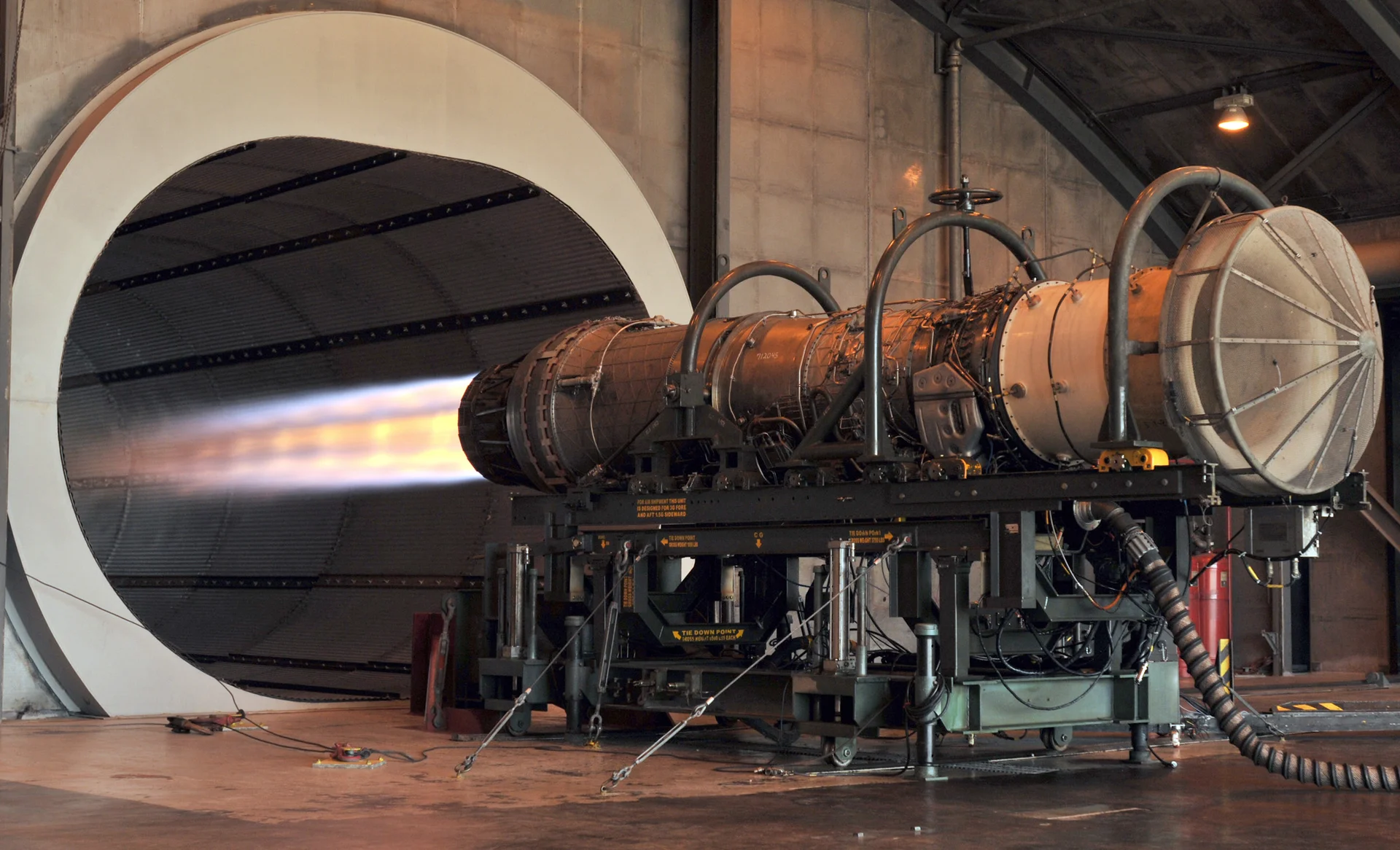
Building a hypersonic path usually starts with slides. On Sept. 15, 2026, Pratt & Whitney and Hermeus announced something more concrete: a Production License Agreement that lets Hermeus manufacture the F100-PW-229 fighter turbofan — the same family that has powered F-15 and F-16 variants for decades, and the same engine already on Hermeus’ Quarterhorse drone.
So basically: Pratt is creating a new qualified U.S. production source for a combat-proven engine, and Hermeus gets to vertically integrate the jet that is its on-ramp toward faster combined-cycle work — without pretending the hypersonic aircraft is flying tomorrow.
What the license covers
The deal authorizes Hermeus to build F100-PW-229 engines to Pratt’s quality, safety, and site-activation standards, using Hermeus’ rapid-build production model. Breaking Defense reported it as the first such license Pratt has granted to another American firm. Pratt’s Jessica Villardi put the F100’s field record at more than 32 million flight hours.
No contract value, start date, or annual rate was disclosed. Hermeus CEO Zach Shore told Breaking Defense the near-term work is qualifying builds for Pratt acceptance and scaling capital with demand — “not an if, it’s a when.” Initial production is planned inside existing Hermeus footprints. Shore also said Hermeus is not trying to become a clean-sheet engine company; the airframe path remains the expansion priority.
Why Hermeus wanted this engine
Quarterhorse already flies on the F100. Earlier this year the company said the uncrewed jet achieved supersonic flight as a privately developed aircraft. A DIU-backed path calls for speeds up to about Mach 3 under a contract Breaking Defense cited at $219 million. Owning licensed F100 production is how Hermeus becomes a vertically integrated airframer on that program — and a second source if the Air Force and foreign customers need more F100s for F-15EX / F-16 fleets and collaborative combat aircraft concepts.
Hermeus’ longer propulsion story is Chimera, a turbine-based combined cycle (TBCC) concept that pairs a jet core with a ramjet for hypersonic Darkhorse ambitions above Mach 5. The F100 license does not equal a flying hypersonic bomber. It does put a real, fielded turbine in-house as the industrial bridge.
Demand pressure, not vibes
An August Air Force RFI, as summarized by Breaking Defense, projected peak engine demand topping 180 engines a year by fiscal 2034 for fighter and related needs. Pratt’s military engines president framed the Hermeus license as expanding an industrial base that is currently too small. That is the defense-industrial read: second source, capacity, and supply-chain resiliency — not a press release about “disrupting aerospace.”
Progress and limits
Progress: a licensed path to make a real fighter engine in the U.S., tied to a flying high-speed drone program. Limits: engines still have to pass Pratt acceptance; rates and calendars are demand-driven and unpublished; TBCC/hypersonic remains a development path, not a fielded product. Watch qualification milestones, capital spend on engine tooling, and whether Quarterhorse production actually pulls engines at scale.
So basically — pass it on.