A Humanoid Has to Build an IKEA Table on Its Own This Week in Pittsburgh
IROS 2026 runs Sept. 27 to Oct. 1 in Pittsburgh, and its first Humanoid IKEA Assembly Challenge asks a Unitree G1 to put together a kids' table with no teleoperation.
A humanoid robot has to assemble an IKEA table by itself this week.
So basically: IROS 2026, one of the biggest robotics research conferences, runs Sept. 27 to Oct. 1 in Pittsburgh. One of its competitions is the first Humanoid IKEA Assembly Challenge. Teams write the AI that drives a Unitree G1 humanoid, and the robot has to build a table live at the venue with nobody steering it.
The task
The furniture is the IKEA UTTER, a small plastic children’s table. It’s one tabletop and four legs that twist on by hand. No screws, no tools.
That’s on purpose. The organizers say the hard part is supposed to be using two hands together and understanding the parts in 3D, not fiddling with fasteners.
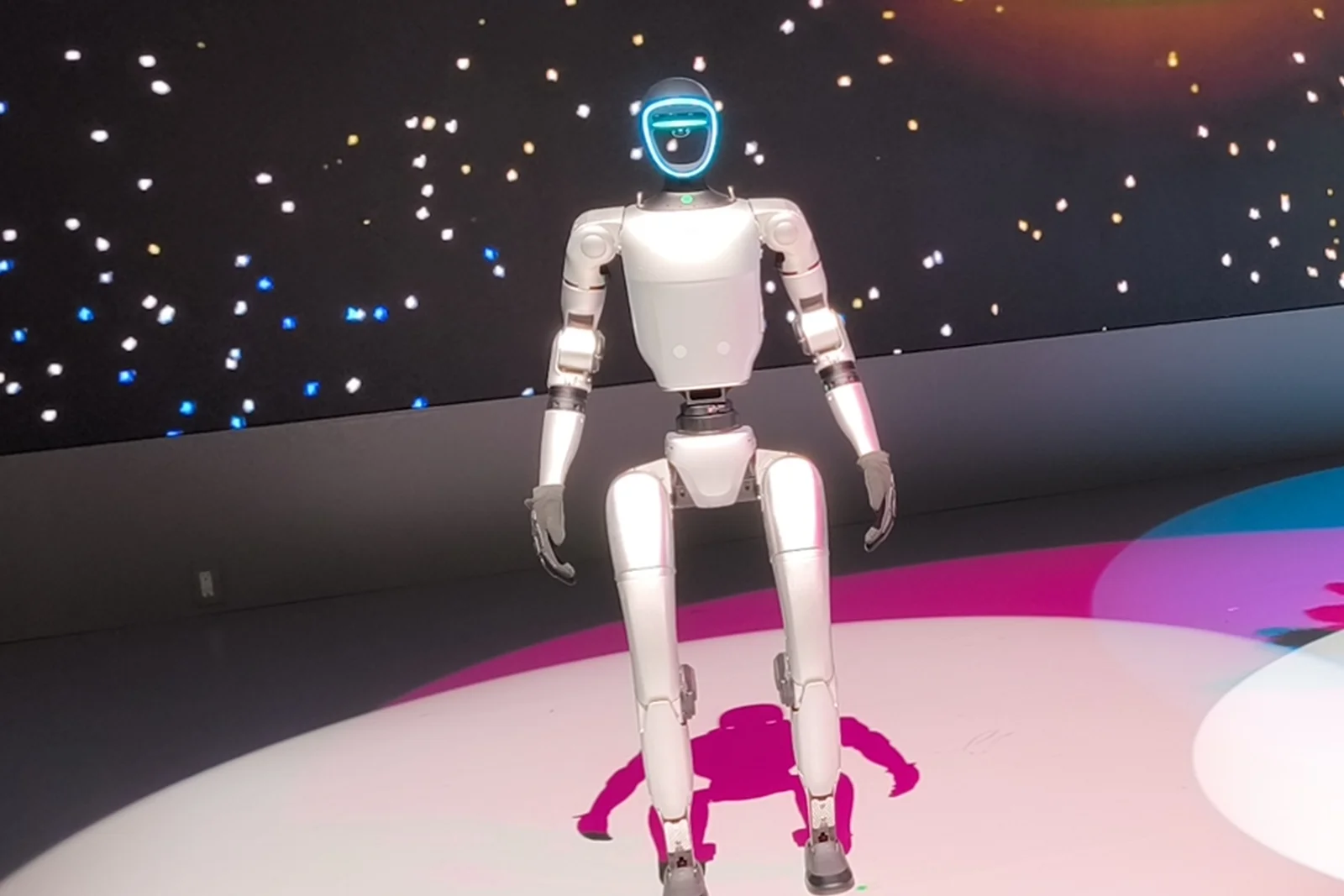
The robot is the Unitree G1, which stands about 1.32 meters tall. Hardware is provided on-site. Every team gets the same parts, the same carpet (an IKEA TIPHEDE rug), and the same layout.
The rules
- Fully autonomous. No teleoperation. The team’s AI policy runs the robot.
- One run. Each team gets one autonomous attempt.
- Checkpoints. Parts identified and staged, then legs attached to the top, then a finished table built to IKEA spec.
- Time counts. Faster successful runs rank higher. Every run is compared with a human doing the same job with the same parts.
- Touches cost points. A person can step in to help, but each touch lowers the score and the run keeps going.
- Damage ends it. If the robot damages the parts, itself, or the scene, the run is over.
The setup behind it
Teams didn’t start from zero. Before the event the organizers released a dataset of more than 500 teleoperated G1 runs doing this exact task, a simulation of the venue scene, and remote access to real G1s in Singapore and Shenzhen for testing.
The organizers include Jie Tan from Google DeepMind, Yuchen Xiao from Unitree, plus people from Lightwheel, Frodobots, and SIT. Registration was free and it’s closed now.
The challenge page doesn’t list which day the runs happen. IROS also has a Volting Cup for expressive humanoids and a legged robot challenge this week.
Why it matters
Humanoid companies love showing robots folding laundry or loading dishwashers in videos. Most of those clips don’t tell you how many tries it took or whether someone was steering. This challenge answers those questions. One run, same parts for everyone, touches counted, and a human time to compare against.
My take
A kids’ table with four twist-on legs is a low bar, and that’s the point. If the best teams can’t finish it without a person stepping in, that tells you where home humanoids really are right now.
So basically — pass it on.