Meta Connect Is Two Days Out — Phoenix, Camera-Free Glasses, and a Privacy Test
Meta Connect 2026 hits Sept. 23–24. Expect a Project Phoenix MR preview, camera-free AI glasses, and a live Codec Avatar hologram call — less about true AR, more about whether Meta can sell trust.
Meta Connect lands Wednesday and Thursday, Sept. 23–24. Mark Zuckerberg’s keynote is set for 4 p.m. PT / 7 p.m. ET on the 23rd, with developer sessions the next day. The official pitch is AI, AI glasses, and VR. The rumor stack is sharper: a slim mixed-reality headset, camera-free frames, and a hologram-style call on stage.
So basically: this Connect is less about shipping true AR glasses next month and more about whether Meta can turn a privacy backlash and a years-long Codec Avatar research reel into products people will wear in public — and pay for.
What’s on the calendar
Meta’s Connect page frames a two-day livestream: keynote on day one, developer state of the union and sessions on day two. Engadget’s Sept. 18 preview puts Zuckerberg on stage at 4 p.m. Pacific. That evening slot matters for the desk — it’s a live event you can watch after dinner ET, not a buried morning keynote.
Treat everything below as pre-keynote reporting, not confirmed SKUs. Plans change. Codename ≠ product name. Preview ≠ ship date.
Project Phoenix: slim headset, compute in a puck
UploadVR, Road to VR, Engadget, and TechRadar all point at Project Phoenix as the hardware centerpiece. Reporting describes a glasses-like passthrough mixed-reality headset — open periphery, much lighter than Quest 3 / 3S — with a cable to a pocket compute puck. Horizon OS firmware leaks earlier this month showed prescription-lens visuals and a thin goggle profile; that is as close as we’ve gotten to an “official” look before the stage.
The pitch in The Information’s reporting, as relayed by UploadVR: market Phoenix as a productivity and entertainment tool — virtual screens, movies — not another pure gaming brick. Hand and eye tracking are expected; a dedicated controller is less certain. Qualcomm’s newer XR silicon (Engadget flags Snapdragon Reality Elite as a likely candidate) is built for this thin form factor.
Important distinction: UploadVR stresses Phoenix is passthrough MR (Quest-family optics and cameras), even if marketing calls it glasses. It is not Orion-class waveguide AR. Orion remains the research/prototype true-AR path. Confusing the two is how you oversell Connect.
Retail timing in the rumor mill still points at 2027, not a holiday-2026 box. Connect’s job is the reveal and the demo — not necessarily the buy button.
The hologram call: Codec Avatars finally get a stage job
The Information, via UploadVR and Road to VR, says Meta is preparing a full-body, photorealistic hologram call during a live Phoenix demo — with CTO Andrew Bosworth appearing as the hologram, powered by Codec Avatars. Zuckerberg and Bosworth reportedly reviewed the telepresence work earlier this month.
Codec Avatars have been a Reality Labs research story since the mid-2010s — Lex Fridman interview demos, CVPR papers, sparse-photo generation. Firmware and Meta AI app strings through 2026 lean on a consumer-facing name: Hologram. If Connect sticks the landing, that’s the moment the research brand becomes a product promise: spatial calls across Meta’s apps, not a one-off stage stunt.
Caveat stays the same as every Connect demo: stage lighting and curated capture are not the same as a Tuesday Zoom replacement.
Camera-free glasses are the trust move
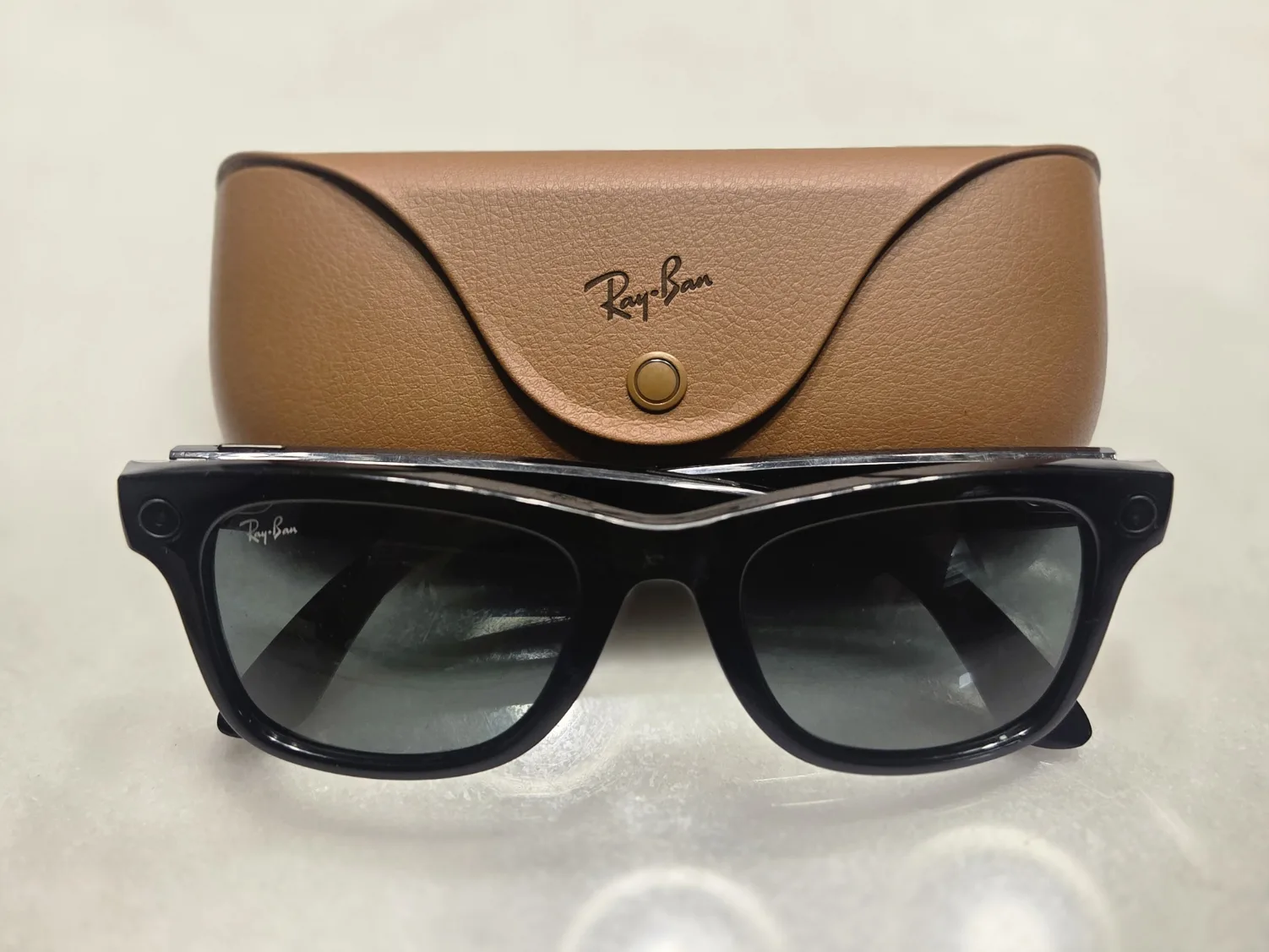
Ray-Ban Meta and Oakley Meta glasses work. They’re also in a privacy fight — bystander filming, LED spoofing, “spy glasses” discourse. TechRadar and Engadget both flag camera-free AI glasses as a likely Connect answer: thinner frames, more mics, conversational Meta AI / Muse — no camera, so no capture panic. Usefulness without sight is the open product question. Trust may be the actual feature.
Other glasses threads to watch: Oakley Meta gen-two sport frames, possible Ray-Ban Meta refreshes, and whether Ray-Ban Meta Display (still US-limited at about $800) finally gets a wider launch after inventory delays. RAM-driven price hikes are also in the preview chatter — ugly, but plausible.
Meta has already shipped software that stops recording if you cover the capture LED. Wearables VP Alex Himel has said more LED/reliability work is coming. Connect is the natural place to show that stack next to the camera-free SKU.
What to watch on Wednesday
- Is Phoenix named, priced, and dated — or only demoed?
- Does the Bosworth hologram call look like a product path or a research encore?
- Do camera-free glasses ship with a clear Muse/agent story, or just a privacy press release?
- Any Orion / true-AR update — or does Meta keep that on the long runway?
- Developer hooks — third-party apps on glasses and Horizon OS changes that make Phoenix more than a movie viewer.
Snap just re-pitched $2,195 Specs as a wearable computer. Apple still owns the spatial-computer narrative with Vision Pro. Meta’s bet this week is different: everyday frames plus a slim MR puck, sold as social and screens — if the room stops treating the cameras as a threat.
Connect starts in two days. The filter isn’t “did they show cool tech.” It’s whether any of it survives contact with a sidewalk.
So basically — pass it on.