Crew-13 Is Go for an October 1 Launch After Friday’s Flight Review
NASA and SpaceX polled go on Sept. 25: Falcon 9 from SLC-40 no earlier than 11:10 a.m. EDT Oct. 1, with Watkins, Delaney, Kutryk, and Teteryatnikov.
Crew rotation flights are supposed to feel routine. The paperwork still has to say go before anyone straps in.
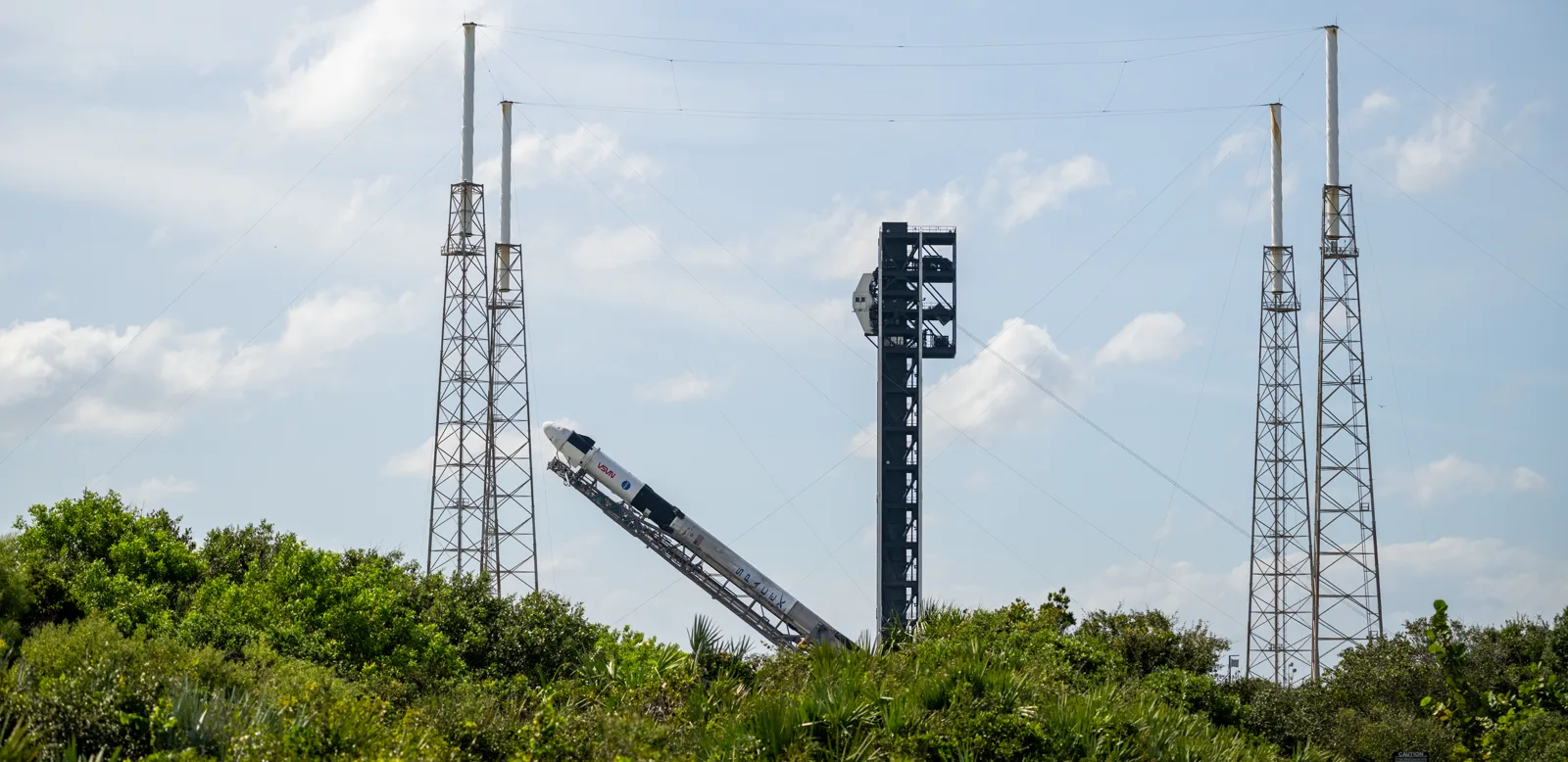
So basically: after a Flight Readiness Review at Kennedy Space Center on Friday, Sept. 25, 2026, NASA, SpaceX, and international partners polled “go” to keep preparing Crew-13 for launch to the International Space Station no earlier than 11:10 a.m. EDT Thursday, Oct. 1, on a Falcon 9 from Space Launch Complex 40 at Cape Canaveral Space Force Station.
Who is flying, and what the review covers
NASA’s mission blog names the four: commander Jessica Watkins and pilot Luke Delaney (NASA), mission specialist Joshua Kutryk (Canadian Space Agency), and mission specialist Sergey Teteryatnikov (Roscosmos). The crew was scheduled to arrive at Kennedy the day after the review to continue prep from Astronaut Crew Quarters, with arrival coverage on NASA Kennedy’s YouTube channel.
A Flight Readiness Review is the unglamorous gate: transportation system health, mission ops, support functions, and ISS readiness for the incoming crew. “Go” is not liftoff. It is permission to keep the countdown architecture intact while weather, range, and vehicle closeouts finish the job.
Crew-13 is the next commercial crew increment in a cadence that has become the backbone of U.S. LEO access since Shuttle retirement and after Soyuz exclusivity ended. That boredom is the point. Station science, maintenance, and international partnership schedules assume these seats show up roughly on time.
Why this week’s poll still matters
Human spaceflight risk does not disappear because the vehicle has flown many times. Each FRR re-checks the integrated stack: Falcon 9, Dragon, ground systems, ISS visiting-vehicle traffic, and medical/ops constraints for this specific crew. NASA’s parallel Crew-13 health and performance study notes underscore that every increment is also a research platform, not only a taxi.
The Cape calendar is crowded. Commercial crew shares range and airspace with other Falcon flights, national-security missions, and, soon, additional commercial operators. An Oct. 1 NET (no-earlier-than) date will slip if weather or hardware says so. The FRR simply removes “we have not finished the review” as a reason.
Progress and limits
Progress: another crewed ISS mission cleared the formal readiness poll on schedule, with a named international crew and a public NET on the federal calendar. Limits: FRR go ≠ launch; Oct. 1 can move; and LEO crew flights, however reliable, are not Artemis, Mars telecom, or commercial station successors. They keep the current station alive while those programs argue about timelines elsewhere.
Watch the Kennedy arrival stream, the final launch-readiness poll closer to T-0, and whether the Oct. 1 morning window holds against Florida weather. For a site that covers Starship and deep-space infrastructure, Crew-13 is the reminder that the operational present is still a Dragon on a Falcon 9, four humans, and a station that needs them on time.
So basically — pass it on.