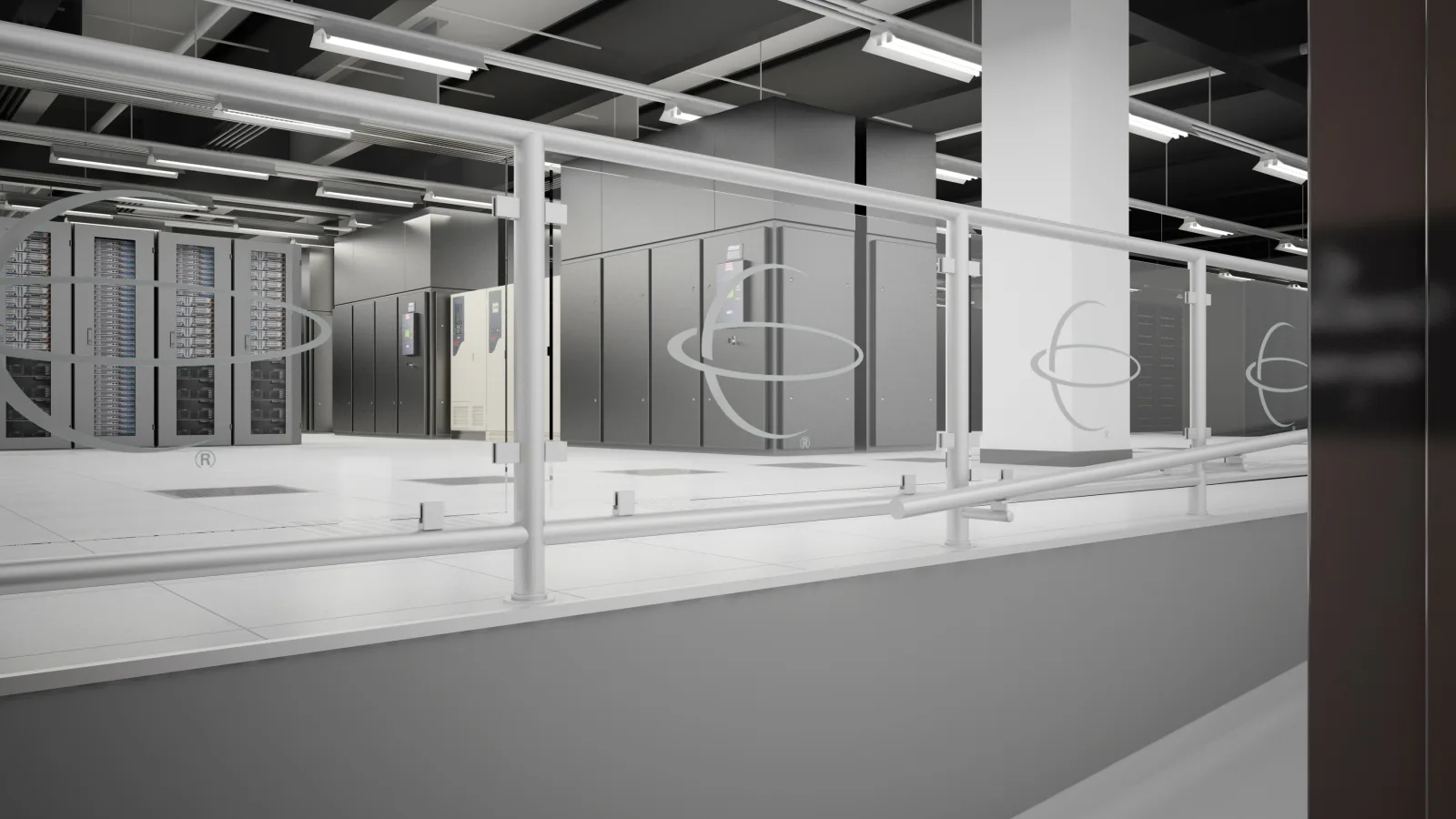
NEOM’s Breaking Ground on a 1.5 GW AI City
HUMAIN and DataVolt started construction on a 100 MW slice of a 360 MW first phase at Oxagon — a planned 1.5 GW AI data center campus aimed at exporting compute.
A lot of “tech hub” announcements are renderings and press releases. This one has construction underway.
So basically: At Oxagon — NEOM’s industrial city on Saudi Arabia’s Red Sea coast — HUMAIN (the PIF-backed AI company) and DataVolt started building 100 MW of a 360 MW first-phase AI data center. The full campus target is 1.5 GW. The first 100 MW is aimed at 2028. On Sept. 7, 2026, Semafor reported DataVolt wants to finish that first block in about 13 months, for roughly $1 billion, and sell capacity overseas over subsea cables — not only to local customers.
What was announced, and when
The companies put the partnership on the record at LEAP on Aug. 31, 2026. NEOM’s newsroom said HUMAIN and DataVolt were expanding their deal to develop 100 MW of the 360 MW AI-ready data center at Oxagon, with construction already underway. The facility is supposed to integrate renewable energy, advanced cooling, and high-performance computing clusters for large-scale AI and cloud workloads, with the first 100 MW anticipated in 2028.
That 360 MW block is the first phase of DataVolt’s wider planned 1.5 GW Oxagon campus. NEOM framed Oxagon’s pitch as pre-zoned industrial land, large-scale energy resources, and low-latency routes toward Europe and Africa via subsea cables — the boring inputs that decide whether AI infrastructure pencils out.
Who is building what
HUMAIN is a Public Investment Fund company selling full-stack AI capabilities. DataVolt is a Saudi developer and operator of digital infrastructure, founded in 2023 by Vision Invest (Abunayyan Holding and Al Muhaiadib Group), and linked in Semafor’s reporting to Saudi billionaire Mohammed Abunayyan. Semafor described the Oxagon site as NEOM’s first data center project of this kind.
Tareq Amin, CEO of HUMAIN, said in the NEOM release that AI ambition only matters when it turns into infrastructure and capacity customers can use — and that construction is underway on the 100 MW slice. Rajit Nanda, CEO of DataVolt, said AI infrastructure at this scale needs disciplined execution from power and engineering through construction and operations, and called groundbreaking an important milestone on the first 360 MW phase.
Eng. Aiman Al-Mudaifer, managing director and CEO of NEOM, said breaking ground shows Oxagon’s industrial ecosystem taking shape — power, land, and connectivity as the practical advantages for companies building next-generation AI infrastructure.
The export-compute plan
Semafor’s Sept. 7 exclusive pushed past the LEAP talking points. Nanda told Semafor the 100 MW facility is focused on exporting compute, should finish in about 13 months, and would cost around $1 billion. He said that timeline would be among the fastest for a facility of that size. DataVolt plans to expand the location to 360 MW, and Nanda said the entire 1.5 GW of planned NEOM data center capacity is meant to be sold abroad.
The economics pitch: use existing subsea cables and relatively cheap renewable energy to supply international customers. Saudi Arabia is trying to become a third global AI hub behind the US and China — pouring money into data centers and into tech companies that agree to put some operations in the kingdom. This campus is one concrete bet on selling compute the way other places sell cloud regions or energy.
Nanda told Semafor DataVolt was close to securing financing for the first facility. He previously served as CFO and chief investment officer at ACWA Power — also Abunayyan-backed — and said he plans to use that project-finance experience to fund DataVolt’s expansion.
Supply chain and chips
DataVolt has committed to excluding Chinese firms from its supply chain. “My infrastructure will not use Chinese components, Chinese supply chain, and Chinese technology,” Nanda told Semafor. That is a policy choice as much as an engineering one, and it shapes which vendors can bid.
On semiconductors, Nanda said DataVolt does not expect delays getting the chips it needs, despite tight US controls on advanced American-made chips. He pointed to a Saudi–US strategic cooperation agreement on AI signed last year, but declined to elaborate on terms or how many chips the kingdom can buy. Those details remain opaque in public reporting — a limit worth naming, not papering over.
Nanda also said he doesn’t see a bubble in AI infrastructure itself — data centers and chips — and argued the world is short of compute capacity for the next decade. Whether that forecast holds is a separate question from whether Oxagon’s first 100 MW comes online on schedule.
Why the size matters
AI is running into power, land, cooling, and fiber limits as much as model limits. A 100 MW first block inside a 360 MW phase, aimed at a 1.5 GW campus, is Saudi Arabia trying to sell scarcity relief — exportable watts and racks — from an industrial city designed around those constraints. HUMAIN brings the AI company story; DataVolt brings the build-and-run data center side; NEOM brings the site and infrastructure narrative.
What to watch
Announced gigawatts aren’t online gigawatts. Watch when power actually comes online, whether the 13-month / ~$1B first block lands near that claim, who the first big international tenants are, and whether chips and cooling show up without Chinese suppliers in the mix. If Oxagon delivers export compute at this scale, Saudi Arabia isn’t just branding a city — it’s trying to sell computing capacity the way other countries sell oil or cloud regions.
The practical questions: can they hit the timeline, keep financing locked, and deliver power costs that don’t eat the export pitch?
So basically — pass it on.