Waymo's Heading to Singapore. Monsoon Season Is the Real Boss Fight.
2028 Singapore commercial aim, 2027 manual miles first. International robotaxis aren't a map paint job — they're weather, geometry, and local partners.
U.S. robotaxi maps make for satisfying graphics: another neighborhood turns purple, another airport curb goes live. Waymo’s September 18 announcements point somewhere else — Singapore commercial ride-hailing aimed for 2028, and a push toward Tokyo commercial service in 2027.
So basically: the hard part of AV expansion abroad is not cloning a California stack. It’s teaching the driver monsoon rain, unfamiliar road geometry, and a regulator’s comfort level — on purpose, over years.
What Waymo and LTA said
Singapore’s Land Transport Authority named Waymo the city-state’s newest autonomous vehicle operator, joining ComfortDelGro and Grab. LTA’s own release is blunt about the sequence: vehicles are expected in the next few months, initial manual driving in 2027, and Waymo aims to launch commercial ride-hailing in 2028.
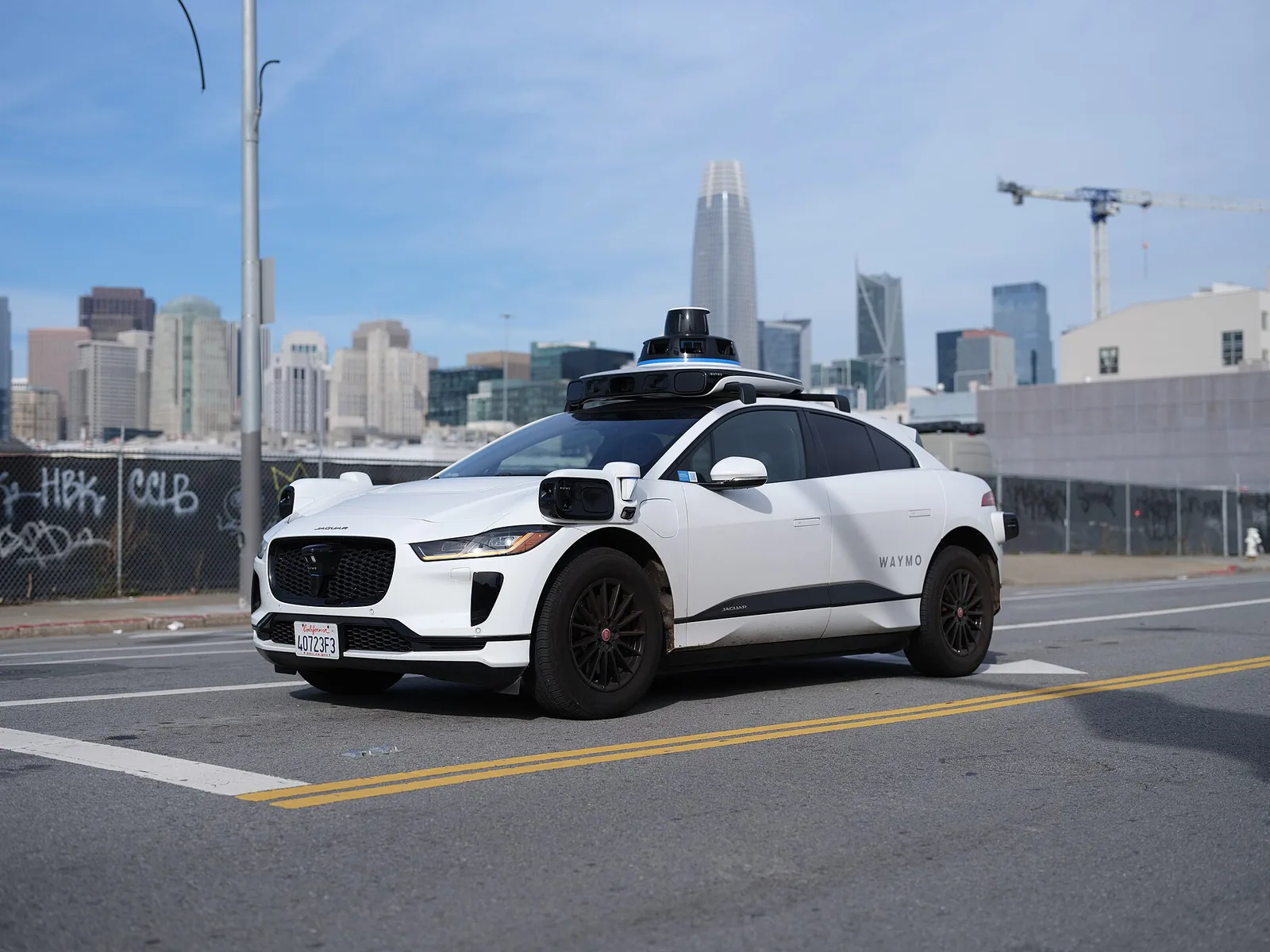
Reuters fills in the product shape: autonomous all-electric ride-hailing, Waymo’s first Southeast Asia market, an initial fleet of Jaguar I-PACE vehicles arriving in the coming months, and 2027 specialists doing manual driving so the Waymo Driver can learn local roads and monsoon patterns — in coordination with Singapore’s transport ministry and LTA.
The same week, Waymo also flagged aiming for Japan’s first fully autonomous commercial taxi service in Tokyo in 2027. Separately, Pittsburgh coverage noted vehicles now driving autonomously there with a safety technician still in the seat — the familiar crawl from manual mapping to supervised autonomy to riderless service.
Why this isn’t the “demo city” story
Domestic coverage maps measure utilization, interventions, and weather days inside markets you already understand. Singapore and Tokyo add different variance: left-side driving habits in Japan, tropical downpours, dense mixed traffic, and ministries that treat AV operators as policy partners, not just app companies.
Waymo’s own staging is honest about the order of operations: cars first, humans teaching the stack second, public service later. That’s slower than a keynote. It’s also how you avoid importing a desert-trained model into a rain forest and calling the first flooded underpass a surprise.
What to watch
Ignore valuation theater ($126 billion in a February raise, per Reuters) for a minute. Watch:
- Whether 2027 manual miles in Singapore produce disclosed monsoon performance, not just fleet photos
- How Tokyo’s commercial definition differs from U.S. riderless service
- Whether local partnership language turns into real operating domains or stays MoU-shaped
Competitors matter — Zoox, Tesla, and regional players — but the product question is domain transfer. Can the same Driver family get competent in a new climate and legal culture without a decade of one-off engineering?
The grounded take
International robotaxi timelines will slip; treat 2027–2028 as stakes in the ground, not calendar promises. The filter-friendly signal is methodological: manual familiarization years before public launch, weather called out as a first-class requirement, and governments named as counterparts.
When AVs leave the demo-city comfort zone, rain and road geometry become the curriculum. That’s the story worth tracking — not another shaded polygon on a U.S. map.
So basically — pass it on.