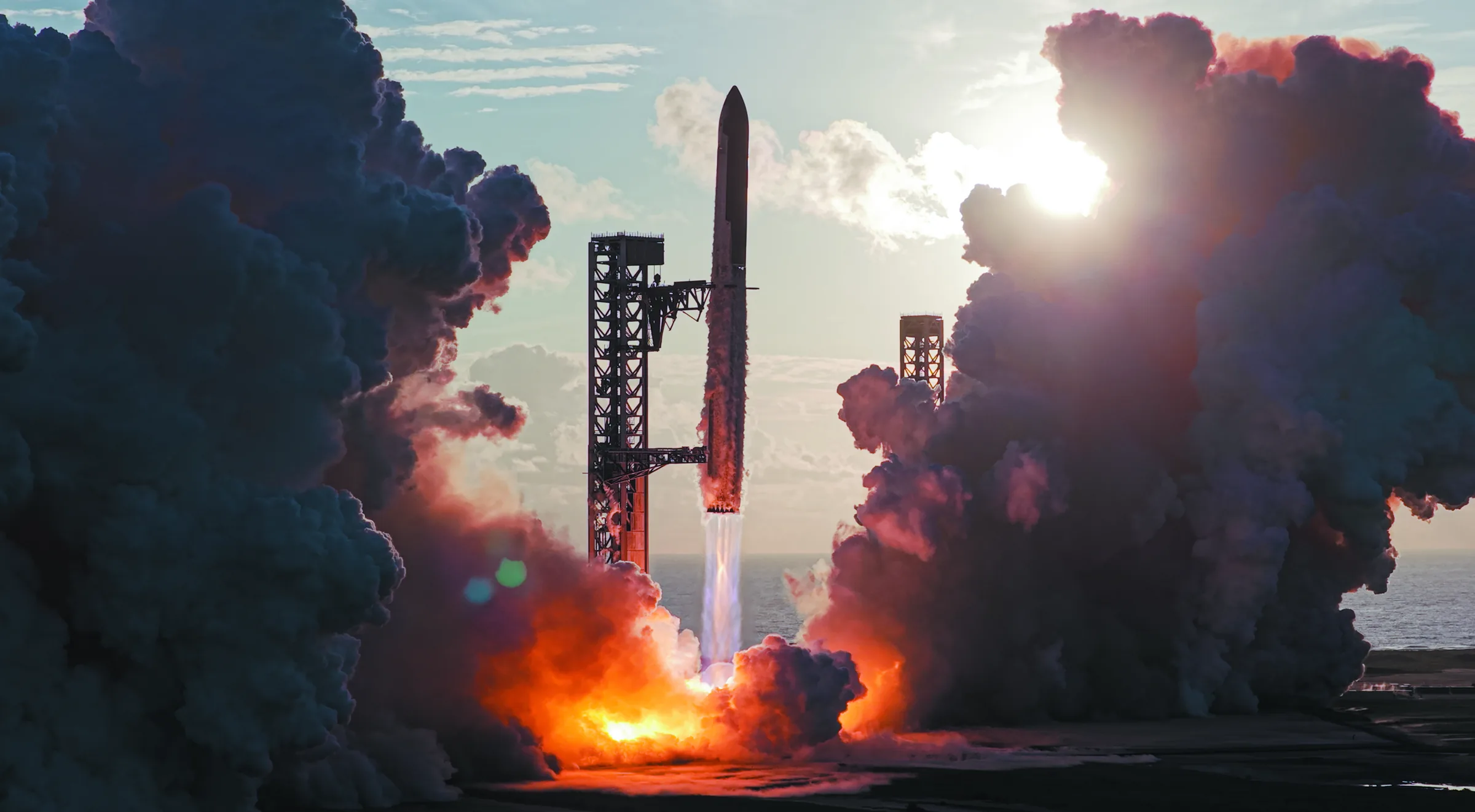
SpaceX's Flight 14 Recap Names the Engine and the Landing Burn
SpaceX's own writeup says a Raptor vacuum engine quit on the way up, all 26 Starlink V3 satellites checked in, and Ship did its first deorbit burn before a three-engine splashdown.
So basically: SpaceX posted the Flight 14 recap. The engine that quit was a Raptor vacuum engine. All 26 Starlink V3 satellites checked in. Ship then did its first deorbit burn and splashed down on target with three engines lit.
What the recap adds
The Sept. 29 story had the outline. Liftoff at 8:48 a.m. ET on Sept. 28. First orbit. 26 satellites. A short flight and a splashdown north of Hawaii. One engine out on the way up.
SpaceX now says which engine. During the ascent burn, a single Raptor vacuum engine shut down early. The other five burned longer than planned so Ship still hit its passively safe suborbital path.
Controllers then checked the three sea-level Raptors needed for later burns, called them healthy, and gave a go for orbit. Ship lit one sea-level Raptor for the insertion burn. That was the first time Starship stayed in orbit.
After a short coast, Ship deployed all 26 Starlink V3 satellites. SpaceX says it made contact with every one of them, over laser links, ground stations, and Starlink user terminals. Those satellites still have to finish checkouts and raise their orbits before they serve customers.
The way down
Because of the engine issue, the team cut the time on orbit. They used one of two landing zones that had been cleared before launch. Ship lit one sea-level Raptor for its first deorbit burn, came through reentry, then lit all three sea-level Raptors for a landing burn and flip. SpaceX says it splashed down on target in the northern Pacific.
The booster
Super Heavy lit all 33 Raptor 3 engines at liftoff. One shut down on the climb. For the boostback burn it relit 31 of the planned 33. SpaceX says that burn was meant to use up the liquid oxygen left in the main tank, a test ahead of future return-to-launch-site flights.
The landing burn started with 11 of the planned 13 engines, then five, then three, before the booster splashed down in the Gulf. After that burn shut down, SpaceX triggered the booster’s flight termination system on purpose, as a test of the safety hardware.
My take
The new part is not “it reached orbit.” That was already true on Monday. The new part is the split between the vacuum engine that failed and the sea-level engines that still had to light in space, deorbit, and land. SpaceX says those three were healthy, and then it used them. The satellites checking in is the other hard fact. What is still missing is why the vacuum engine quit.
So basically — pass it on.