Tesla's Austin Robotaxis Now Run Until 11 p.m., With 169 Cybercabs Cleared
Tesla pushed its Austin Robotaxi hours one hour later, to 11 p.m. Texas records show 169 Cybercabs cleared for paid rides, up from 45 at the Sept. 3 launch. Musk says pets at night are the holdup.
So basically: Tesla’s Robotaxi service in Austin now runs until 11 p.m., one hour later than before, and Texas records show 169 Cybercabs are now cleared for paid rides, almost four times the 45 it had at launch a month ago.
The hours
Tesla’s Robotaxi account posted the change late Friday, Oct. 2. Service had run from 6 a.m. to 10 p.m. since late August.
Elon Musk explained why it’s going slow. “The main thing we’re trying to solve is making sure that we don’t run over pets when they’re hard to see at night,” he wrote. “Literally trying to avoid grey kittens on grey tarmac in the dark.” On Saturday he added that Tesla is being “extremely careful with autonomous safety.”
Austin’s day is still shorter than it used to be. Paid rides started there on June 22, 2025, running 6 a.m. to midnight. Last fall the close moved to 2 a.m. This year Tesla pulled the hours back. So 11 p.m. is still an hour short of the original launch window.
Tesla fan sites report that 24/7 service is tied to FSD v15 landing on Robotaxi cars, possibly this month. Tesla hasn’t confirmed a date.
The fleet
CNBC checked Texas DMV public records. Tesla had 45 Cybercabs cleared for commercial use when Cybercab rides launched in Austin on Sept. 3. As of Friday, Oct. 2, it had 169. Not a Tesla App reports 43 of those were added between Oct. 1 and 2 alone.
Tesla’s Texas Robotaxi fleet also includes 420 Model Y cars, per CNBC.
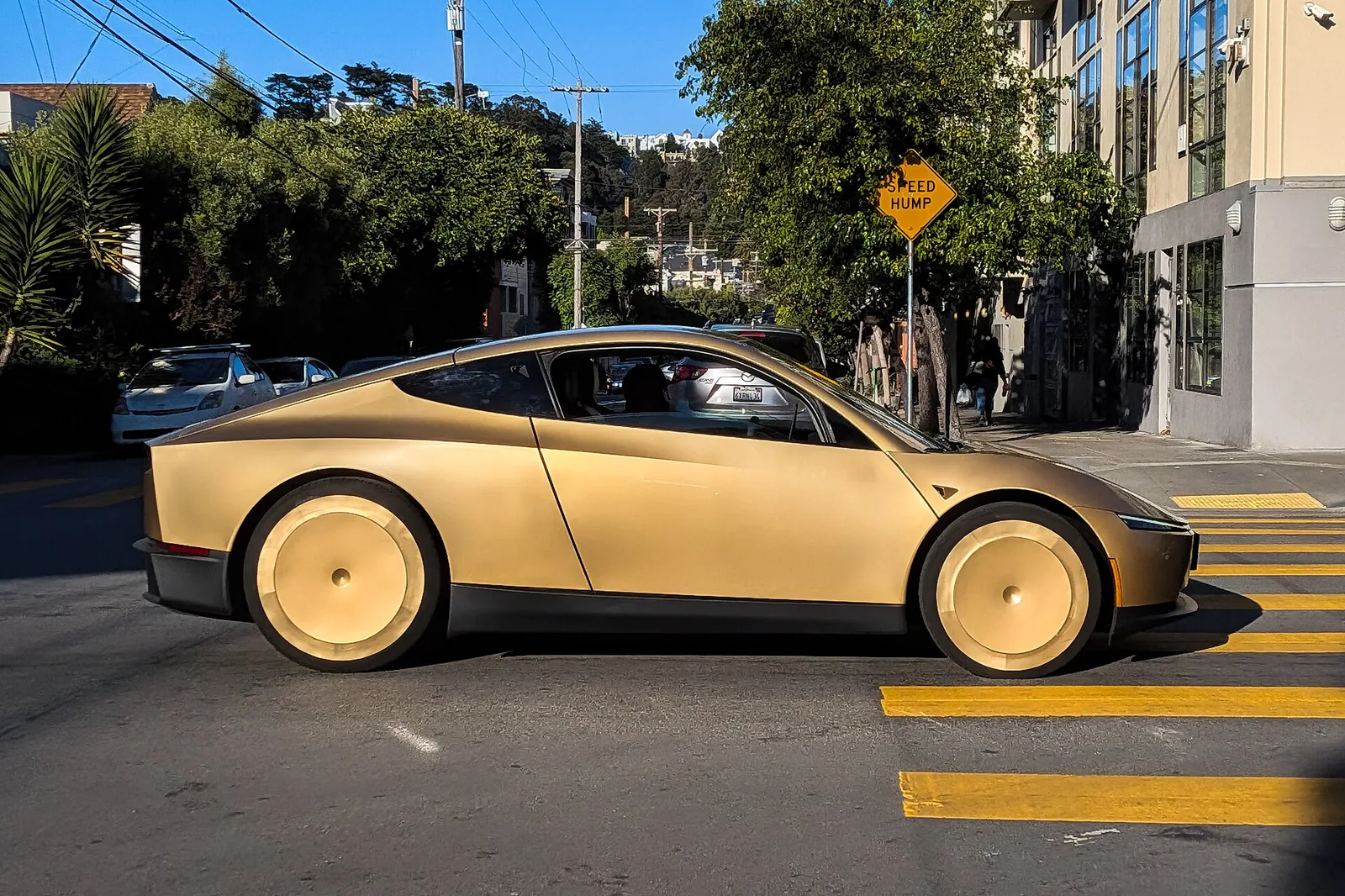
The Cybercab is the bronze two-seater with no steering wheel, no pedals, no mirrors, and butterfly doors. Austin is still the only city where Tesla offers Cybercab rides.
The comparison
Waymo had 1,154 vehicles cleared for commercial use in Texas as of Friday, including 359 of its new Ojai vans, CNBC reports. Waymo says it gives more than 500,000 paid rides a week and has more than 4,000 driverless cars in commercial service across the U.S.
So Tesla has about 589 robotaxis cleared in Texas. Waymo has about twice that in Texas alone.
The rough edges
CNBC says the first month got mixed reviews. Riders complained about long waits, pickups and drop-offs in the wrong spot, and butterfly doors or trunks not closing right. One regular rider told CNBC waits were often 45 minutes or more early on, and that they’ve come down since.
No significant crashes or safety incidents involving a Cybercab have been reported in Austin. But an Austin fire captain told CNBC he wants state or national rules that give first responders a way to move, steer, or shut down cars that have no controls.
NHTSA opened an audit query after the launch to check the Cybercab against federal safety standards. Tesla was supposed to answer by Sept. 30 and got an extension. No new due date has been made public.
What’s next
Musk has pointed to San Antonio, Dallas, and other Texas cities, plus Nevada and Florida, as the next stops for the Cybercab. Tesla offers Robotaxi rides in seven U.S. cities, but only Austin has Cybercabs.
Tesla also opened its Robotaxi app for download in more countries this week, including the U.K., Germany, Australia, and Singapore. Rides are still U.S. only.
My take
One extra hour is a small step, and the kitten line is an honest way to explain why night driving is hard. The fleet number is the real story. Going from 45 to 169 Cybercabs in a month shows Tesla can build them. Now it has to prove it can run them in a second city, at night, without the long waits and wrong-spot drop-offs. Waymo is still about twice Tesla’s size in Texas, and it already runs around the clock.
So basically — pass it on.