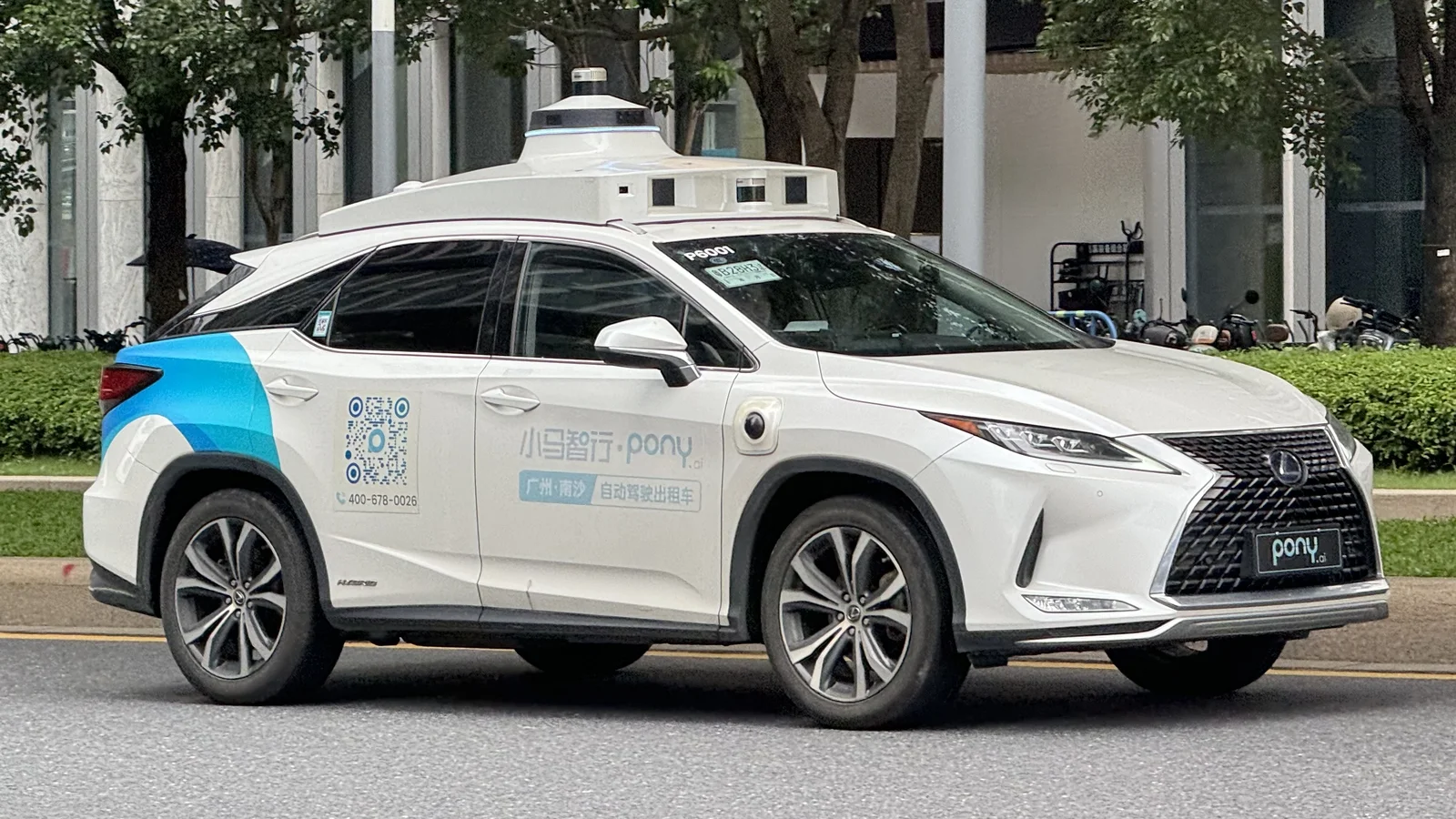
Uber and Pony.ai Are Bringing Chinese Robotaxis to London
On Oct. 8, Pony.ai said it will start testing its seventh-generation robotaxis in London in the coming weeks, with the service planned for the Uber app. It puts a Chinese robotaxi on the same streets where Uber and Wayve launched rides in September.
So basically: Pony.ai, one of China’s biggest robotaxi companies, is coming to London with Uber. Testing of its newest robotaxis starts in the coming weeks, with the plan to eventually offer rides on the Uber app. That puts a Chinese robotaxi and a British one on track to compete in the same city, on the same app.
What was announced
Pony.ai posted it on X and LinkedIn on Thursday, Oct. 8: “Pony.ai on Uber is coming to London.”
The basics:
- The car: Pony.ai’s seventh-generation, or Gen-7, robotaxi
- When: testing starts “in the coming weeks”
- The rules: trials will run under the UK’s self-driving vehicle regulations, working with local and national officials
- The app: Uber
What they did not say matters too. There is no number of cars, no date for paid rides, and no word on who will own and run the fleet.
How this partnership got here
Uber and Pony.ai first teamed up in May 2025, aiming at the Middle East. Then it shifted to Europe.
- August 2026: the two said they plan to put more than 2,000 Pony.ai robotaxis on European streets
- August 2026: Zagreb, Croatia, became the first European city where you could book a self-driving car through Uber
- September 2026: fully driverless test rides started for invited passengers on a 22 km route from central Zagreb to the airport, according to EVwire
In Zagreb, the job is split three ways. Pony.ai supplies the self-driving system and the car, an Arcfox Alpha T5 built with Chinese automaker BAIC. Verne, a startup from Rimac founder Mate Rimac, owns and runs the fleet. Uber brings the riders.
TechCrunch says London will follow a similar model. The local fleet partner just has not been named yet.
London already has a robotaxi
This is the interesting part. Uber is not picking one horse in London.
In September, Uber and British startup Wayve launched rides in London with a safety driver in every car. Uber has invested in Wayve too. Wayve raised $1.2 billion in February from Microsoft, Nvidia, and Uber, and Uber could add another $300 million once Wayve’s robotaxis are deployed, starting in London.
So Uber is backing a British company and a Chinese company in the same city. That is on purpose. Uber has deals with more than 30 autonomous vehicle companies and expects to offer self-driving trips in up to 15 cities worldwide by the end of 2026.
About Pony.ai
Pony.ai already runs robotaxi services in four Chinese cities. It is also expanding into the Middle East, including Qatar.
The company says its Gen-7 system cut the cost of its self-driving hardware by 70% compared to the last generation. Cheaper hardware is the whole game if you want thousands of these on the road.
Why it matters
London is one of the hardest driving cities in the world. Narrow streets, buses, bikes, black cabs, and driving on the left.
If a Chinese robotaxi can handle it, that is a big signal for the rest of Europe. It also raises a question governments are still working out: how comfortable they are with Chinese self-driving cars collecting data on their streets.
My take
Uber is playing this smart. It does not have to build the car or the software. It just has to be the app everyone opens.
Pony.ai coming to London is a big deal, but “testing in the coming weeks” is still a long way from me hailing one outside a pub. Zagreb took months to go from announcement to driverless rides.
The real fight to watch is Wayve versus Pony.ai on the same app. Home team against the company with way more miles. I want to see who riders actually pick.
So basically — pass it on.