Ultra Raised $50M for Warehouse Robots That Plug Into a Wall Outlet
Brooklyn startup Ultra raised a $50 million Series A for its packing robot, which installs in hours on a normal 120 volt outlet. Warehouses rent it monthly, and it has already packed over 500,000 orders.
So basically: Everyone is staring at humanoid robots. Meanwhile, a Brooklyn startup called Ultra is quietly getting paid to pack boxes. On Friday, Oct. 9, it announced a $50 million Series A. Its robot plugs into a regular wall outlet, sets up in hours, and has already packed more than half a million orders.
The money
- Series A: $50 million, led by Framework Ventures, with Y Combinator joining
- Earlier seed: $12 million, led by Y Combinator and NextView
- Total raised: $62 million
Runtime Wire says Wing VC and M13 are also investors. The plan for the new money is simple: build more robots and put them in more warehouses.
What the robot does
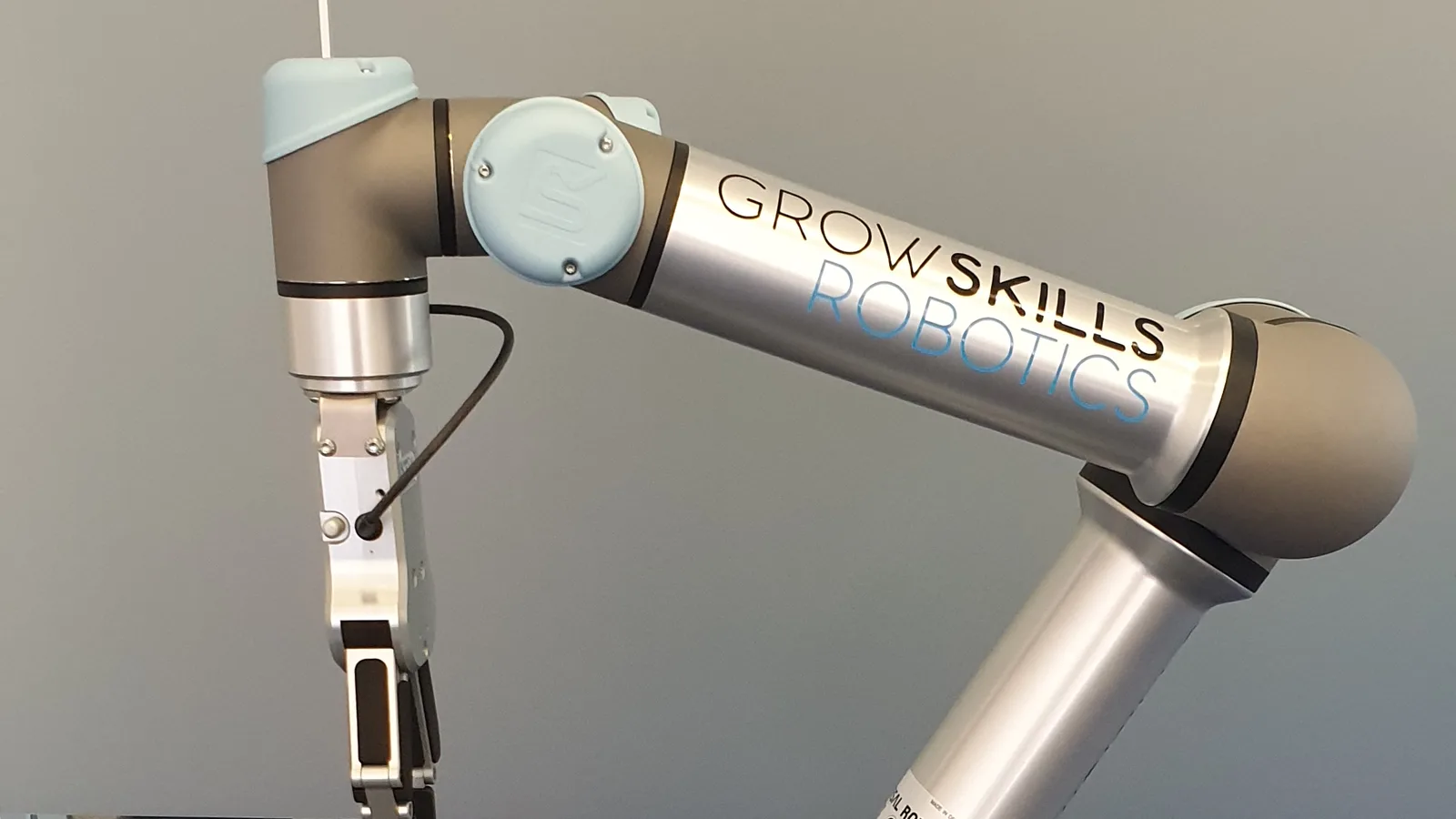
Ultra’s robot is called Operator, or OP1. It does not walk around. It stands at a packing station and works.
Here is what Ultra says it can do, per Runtime Wire:
- Jobs: packing orders, sorting items, and putting kits together
- Setup: installs in hours
- Power: a normal 120 volt outlet, the same kind your phone charger uses
- Size: about a 5 by 5 foot footprint, reaching a work area up to 10 by 10 feet
- Lifting: up to 10 pounds per item
That small footprint is the whole pitch. Most warehouse automation means ripping out the floor plan and building a giant system. Ultra drops into a workstation that already exists.
Ultra says its robots have packed more than 500,000 orders in U.S. warehouses. It did not say how many robots it has out there.
You rent it, you do not buy it
This is the clever part. Customers do not buy the robot. They pay an integration fee to get it installed, then a monthly fee that covers the hardware and software support.
That is called “robots as a service.” It is a lot like leasing a car instead of buying one. A warehouse does not need millions of dollars upfront to try automation.
CEO Jon Miller Schwartz told Fortune that the model has brought in significant revenue and that demand has let Ultra raise its prices. He did not share a revenue number.
Body by Ultra, brain by someone else
Ultra builds the robot and installs it. The AI comes from Physical Intelligence, a robot brain company started by researchers from Google DeepMind. Fortune says Physical Intelligence is valued at $5.6 billion.
Each side gets something:
- Ultra gets a smart brain without building one from scratch
- Physical Intelligence gets real warehouse data to train its models
When the AI gets stuck on something, a human can step in to help finish the task, per RoundOS. The real work at customer sites then feeds back into making the system better.
The humanoid question
Schwartz made a point we keep hearing. Humanoids get most of the attention, but other robot shapes are doing most of the real work today. Fortune noted that humanoids still fall over and are hard to put to work every day.
So when will humanoids catch up? Schwartz said give it about five years.
Ultra is not alone. France’s Exotec, Amazon’s own robot fleet, and Travis Kalanick’s new company Atoms are all chasing warehouse work.
My take
I love humanoids, but this is the kind of robot that is paying the bills right now. It plugs into the wall, it does one boring job well, and the customer can rent it instead of buying it. That is how new tech actually spreads. The smartest move here is letting Physical Intelligence handle the brain while Ultra handles the hardware. If half a million orders turns into tens of millions, this is a quiet giant.
So basically — pass it on.