Vast Starts a Lunar Programs Division to Chase NASA's Moon Base Work
Vast announced a Lunar Programs division on Sept. 23, led by Haven-1 veteran Colin Smith. It pitches a power station, an airlock, a habitat, and a relay constellation. No NASA contract yet.
Vast wants to build on the Moon. It hasn’t launched its first space station yet.
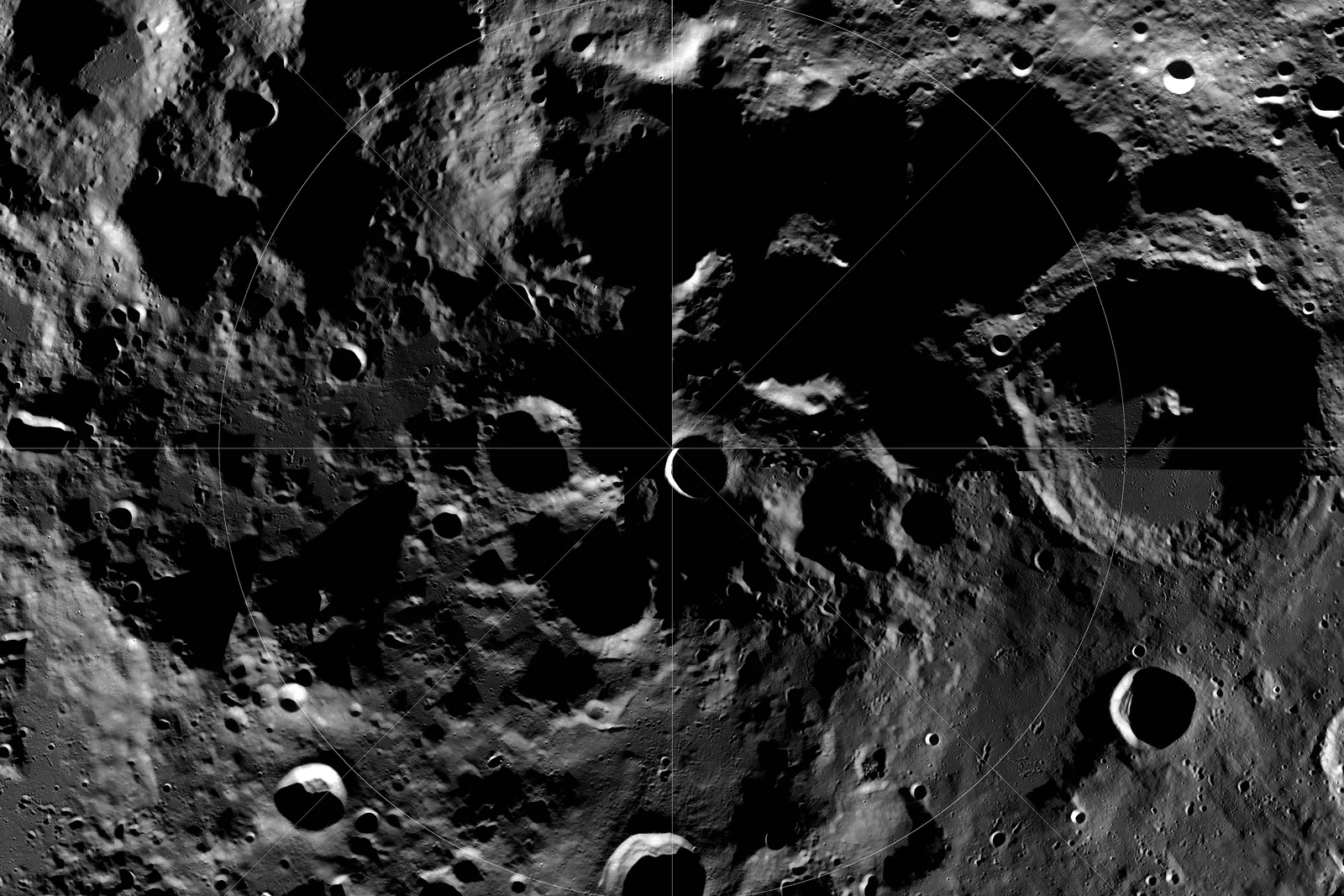
So basically: on Wednesday, Sept. 23, 2026, Vast announced a new Lunar Programs division aimed at NASA’s planned Moon Base at the lunar South Pole. It’s pitching four things: a solar power station, a free-standing airlock, a multi-module habitat, and a communications and navigation satellite constellation. All of it is supposed to reuse hardware and know-how from Haven-1, which is still on the ground in Long Beach. There is no NASA contract behind this yet. It’s a new team built to go win one.
What Vast is actually proposing
The division is run by Colin Smith, Vast’s new senior vice president of Lunar Programs. Vast says he was on the founding team and drove Haven-1 from the start through its initial flight build.
Vast lays out its plan in three phases that track how NASA describes Moon Base. Phase 1 is getting to the surface and running tech demos. Phase 2 adds permanent surface hardware. Phase 3 supports a crew staying for longer stretches.
The hardware goes in a set order:
- Power station. Solar generation, batteries, and power distribution. Vast has shown a prototype and a wheel built for it.
- Airlock. A standalone unit based on Haven designs. It’s meant to test the hard parts early, like keeping dust out, pressure vessel reliability, spacesuit compatibility, and how you place a module on the surface. If it works, the same design becomes the node that links habitat modules.
- Habitat. A multi-module base with life support, thermal control, avionics, and consumables for a crew.
- Lunar satellites. A constellation for steady South Pole coverage, links to Earth, and positioning. Vast says it would complement NASA’s planned Lunar Communications Relay and Navigation Systems and ease the load on the Deep Space Network.
”Vast has the manufacturing capability, flight heritage, and technical expertise needed to help build humanity’s first lunar outpost,” CEO Max Haot said in the announcement.
Vast didn’t give dates, prices, or a launch provider for any of the lunar hardware.
How it ties back to Haven
The pitch leans on the station work. Vast says pressure vessels, life support, thermal systems, avionics, power, and flight software from Haven should carry over. It says each new Haven module will improve on the last, and the lunar habitats would pick up those upgrades.
The satellite piece borrows from Vast Satellite, a 15 kW-class satellite bus the company announced in May. Vast is targeting a launch of 10 of those satellites in late 2027.
The timing also lines up with NASA. On June 30, Administrator Jared Isaacman announced a Moon Base solicitation under the NextSTEP-3 program, called Appendix B: Moon Base Demonstrations. It covers power, communications and navigation, habitation, mobility, and more. NASA said the first directed call would be surface power. White papers for that call were due Aug. 24. Vast’s first lunar product is a power station. Vast hasn’t said publicly whether it bid.
Progress and limits
Progress: Vast has real hardware and a big team to point to. It flew its Haven Demo spacecraft in 2025. Haven-1 is in final integration at its Long Beach headquarters. The company says it has more than 1,000 employees and over $1 billion in private capital.
Limits: Haven-1 was supposed to launch in 2026 and is now aimed at the first quarter of 2027 on a Falcon 9. Haven Demo was a small test spacecraft. The crewed systems Vast wants to reuse on the Moon haven’t flown yet. Vast is also chasing a lot at once. There’s Haven-1, the Haven-2 bid for NASA’s space station replacement contract, a satellite business, and now the Moon. NASA’s final request for proposals for that station contract is expected around the end of September, with offers due 60 days later. The lunar plans are concepts and renderings, plus a few prototype parts.
What to watch
Watch for NASA’s awards under the Moon Base surface power call and whether Vast is on the list. Watch the station contract proposals due later this fall. And watch Haven-1. If it launches in early 2027 and works, the lunar pitch gets a lot more credible. If it slips again, this division is mostly a hiring page and a slide deck.
So basically — pass it on.