Waymo’s Fleet Just Jumped, and Almost All of It Is in Two States
Roughly 4,000 robotaxis, 500,000 paid rides a week, and a 49% Texas surge in three weeks, driven by Chinese-built Ojai minivans Waymo is willing to tariff into profitability.
City-count maps make Waymo look everywhere. Registration data makes it look like a California-Texas company with branch offices.
So basically: as of the week of Sept. 24, 2026, Waymo is running about 4,000 robotaxis across 15 U.S. cities and averaging 500,000 paid rides a week, but roughly 80% of that fleet sits in just two states, and Texas alone grew 49% in three weeks on the back of a new Chinese-built minivan.
The numbers that matter
TechCrunch’s fleet breakdown is the clearest public picture this week. Two years ago Waymo was in three cities: Phoenix, Los Angeles, San Francisco. Most of the jump to 15 cities landed in the past year. Ridership followed.
Concentration did too. About 3,200 of those ~4,000 vehicles are in California and Texas. The rest (roughly 800) are spread across Arizona, Florida, and newer markets. On Sept. 24, Texas registrations hit 1,102 autonomous Waymo vehicles, up from a bit more than 700 at the end of August, per state data and the Texas Autonomous Vehicle Fleet Tracker.
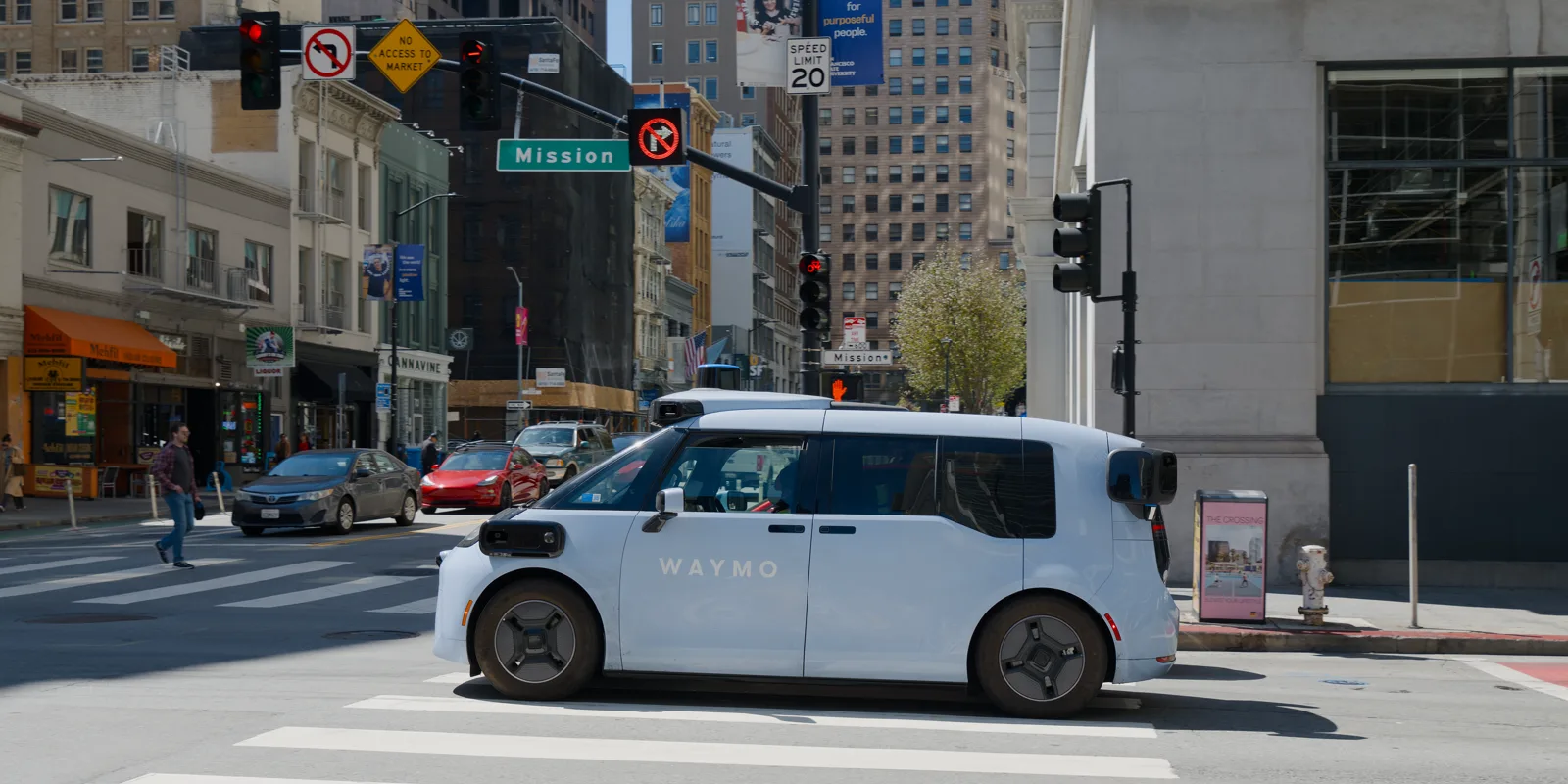
The spike is not more Jaguar I-Pace SUVs. It is the Ojai, Waymo’s brand on a modified Zeekr RT minivan from Geely. Ojai now makes up about a third of the Texas fleet, and that share is expected to rise. The van runs Waymo’s sixth-generation driver stack, a heavier-duty interior, an upgraded rider UI, and Google’s Gemini as an in-car assistant.
Why Texas, and why a Chinese van
Waymo launched paid Austin service through Uber in March 2025, then expanded to Dallas, Houston, and San Antonio. Summer 2026 was quiet on fleet growth. September was not.
Scale economics are the point. Strip the sensors and software and Ojai is a Zeekr SEA-M platform van built for robotaxi and delivery duty. Base vehicles arrive without Chinese connected-car tech, then get Waymo’s stack at the company’s Arizona factory. MoffettNathanson’s September shipping-track report, cited by TechCrunch, says Waymo is on pace to import 5,100 Ojais into the U.S. by year-end, with Texas, Florida, and markets like Las Vegas as likely destinations.
Tariffs cut the savings. China-built vehicles face steep U.S. duties, so every Ojai costs more than the sticker math implies. Waymo is absorbing that for now. The bet is that a purpose-built minivan still beats scaling forever on premium SUVs once volume and utilization catch up.
Progress and limits
Progress: robotaxi ridership at half a million paid trips a week is no longer a demo-city anecdote, and a second vehicle platform is actually moving the fleet needle in weeks, not years. Limits: geographic reach is ahead of fleet density; most of America still has zero Waymo cars; San Antonio service has been paused in prior coverage; and tariff-laden imports are a fragile path to unit economics. Fifteen cities on a map is not the same as fifteen cities with Austin-class availability.
Watch Ojai import totals into Q4, whether Florida and Las Vegas absorb the next wave, and whether Alphabet keeps funding tariff pain until domestic or near-shore supply exists. The story this week is not “Waymo launched somewhere new.” It is that the company finally has a volume vehicle, and is staking the ramp on Texas asphalt and Chinese sheet metal.
So basically — pass it on.