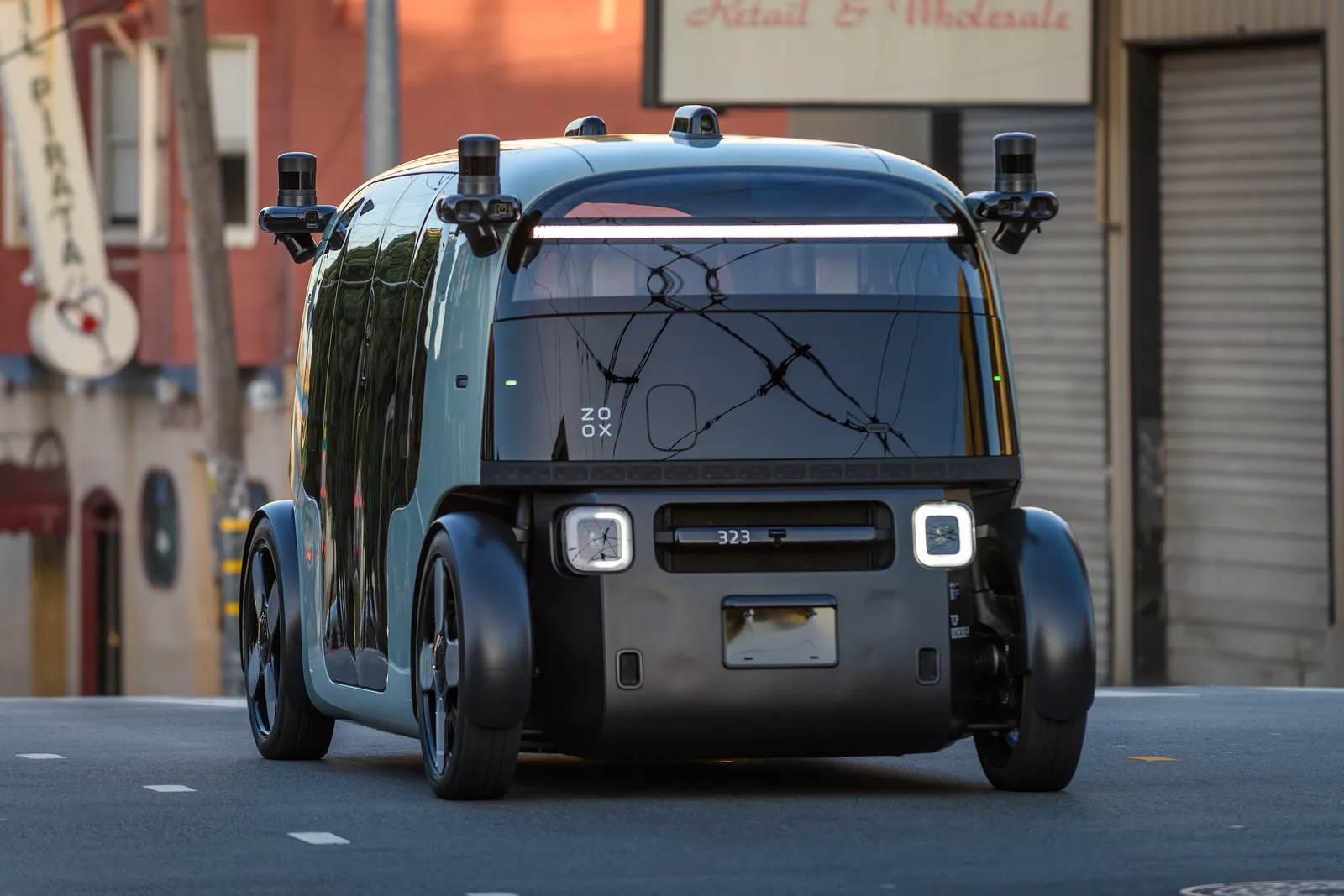
California Signed Robotaxi Fines for Blocking First Responders
Gov. Newsom signed SB 1246 on Sept. 30. Starting July 1, 2028, a robotaxi that blocks an emergency for more than 30 minutes after a technician is requested can cost its company up to $10,000 per vehicle.
So basically: Gov. Gavin Newsom signed SB 1246 on Sept. 30. It lets California cities and counties sue robotaxi companies when their cars get in the way of first responders. A car that blocks an emergency for more than 30 minutes after a technician is requested can cost its company up to $10,000. None of it starts until July 1, 2028.
The fines
The bill is from state Sen. Dave Cortese, a San Jose Democrat. It became Chapter 1021 of the 2026 statutes.
A city attorney or county counsel can bring a civil case. Violations are not crimes. The money goes to the city or county that sues.
Up to $10,000 per commercial autonomous vehicle that blocks or interferes with an emergency or police operation for more than 30 minutes. The clock starts when an emergency official requests a local incident technician.
Up to $5,000 per violation of the new rules on dispatching those technicians and on telling local officials about fleetwide failures.
What companies have to do
Send a local incident technician right away after a crash or incident that strands a car, or when police, fire, or 911 asks. That technician has to be able to move or tow the car by hand.
Tell affected cities and 911 dispatch where their cars are and what state they’re in during a fleetwide failure.
Keep remote drivers in the U.S. The bill says they need a driver’s license valid in California.
For commercial robotaxis with no manual controls, make sure remote staff can put the car in neutral, move it where an emergency official says, or shut it off and keep it parked.
Report technician response times and incident data to the DMV every quarter. The DMV publishes summary stats.
The DMV has until July 1, 2028, to set response time standards for the technicians.
Who it hits
TechCrunch names Tesla, Waymo, and Zoox. It reports Waymo has about 4,000 robotaxis in its U.S. commercial fleet, with about 1,200 in the Bay Area. It says Waymo and Zoox told it they will comply, and Waymo said it was grateful for the amendments.
Cortese’s office says a December power outage in San Francisco stalled about 1,500 Waymo vehicles, and that first responders were left on hold for up to 53 minutes. That is the senator’s account, not a state finding.
What it is not
It is not in effect. No one can be fined under it until July 2028. It is not a ban, and it does not cap fleets. The response times that matter most are still up to the DMV.
My take
The $10,000 number is small next to these fleets. The real change is that cities and counties get their own way to take these companies to court. It is almost two years away, and the DMV’s response time rules will decide if it has teeth.
So basically — pass it on.